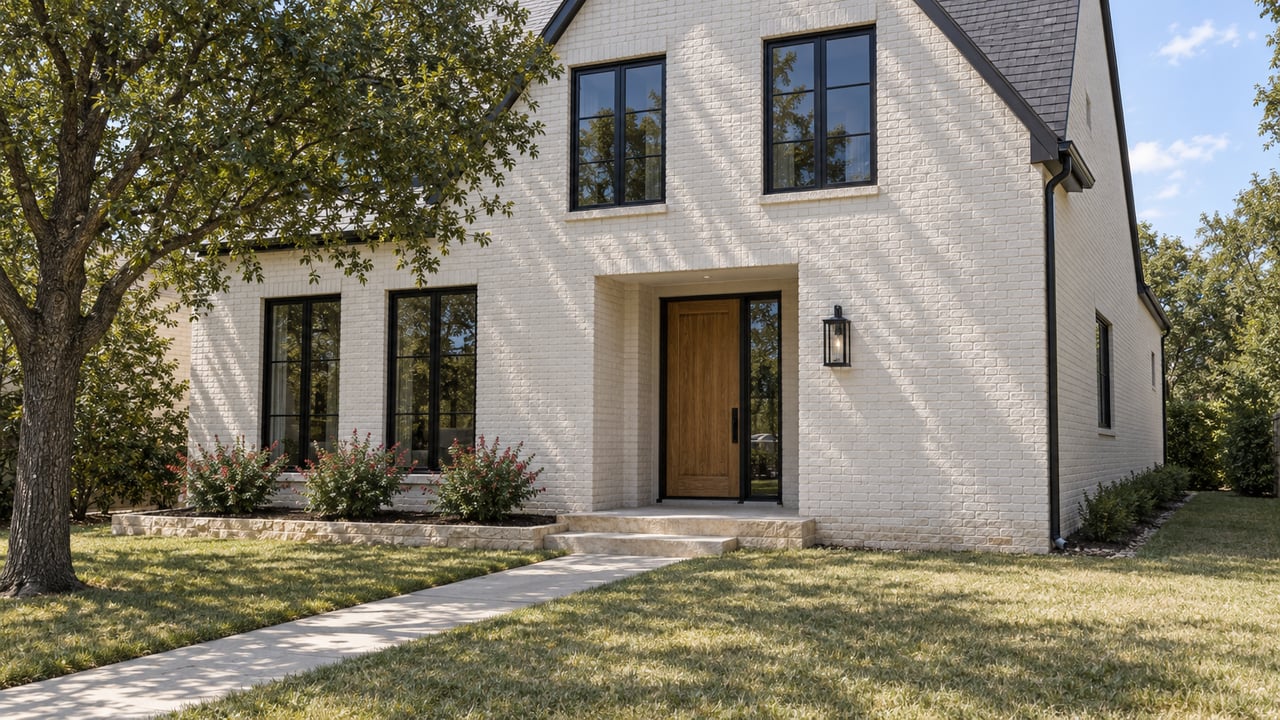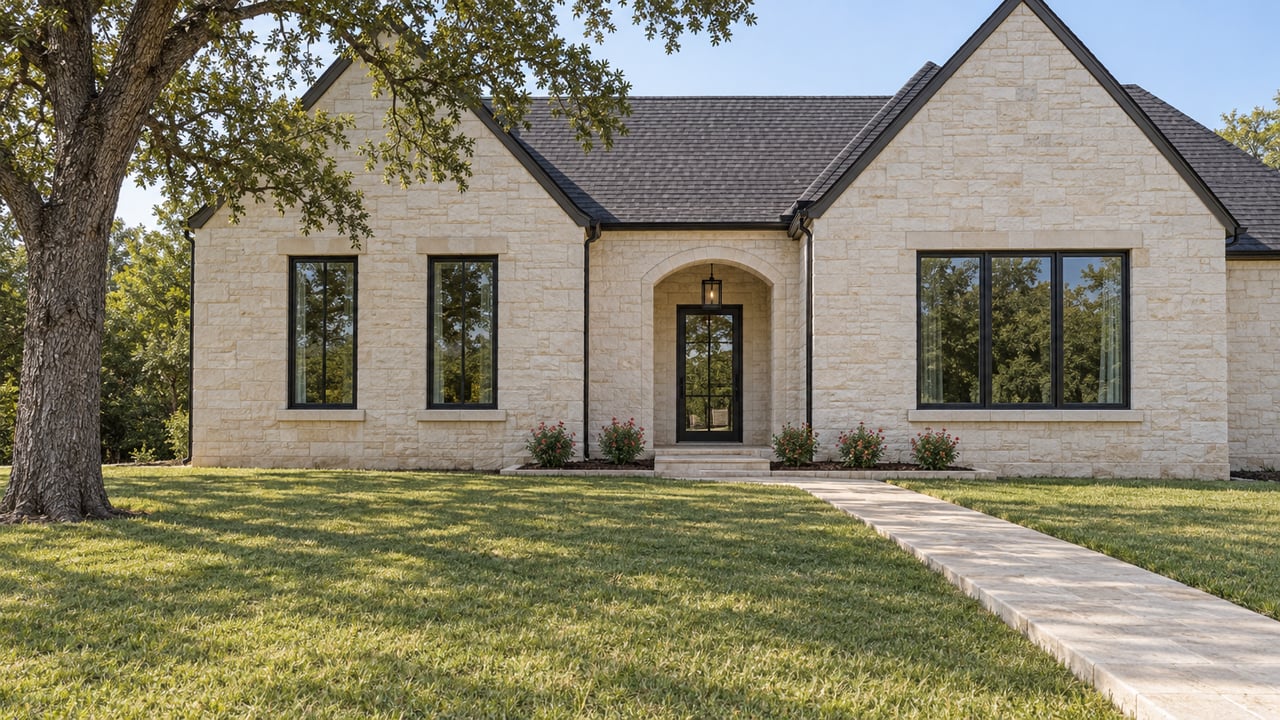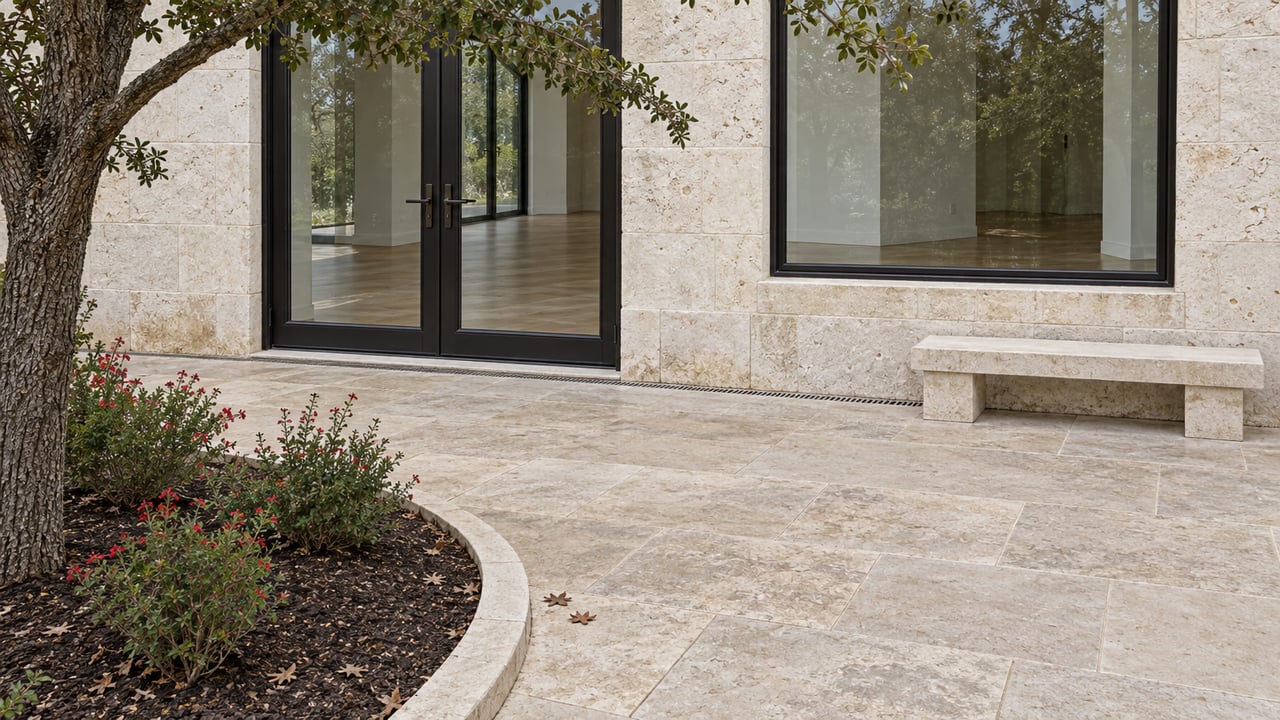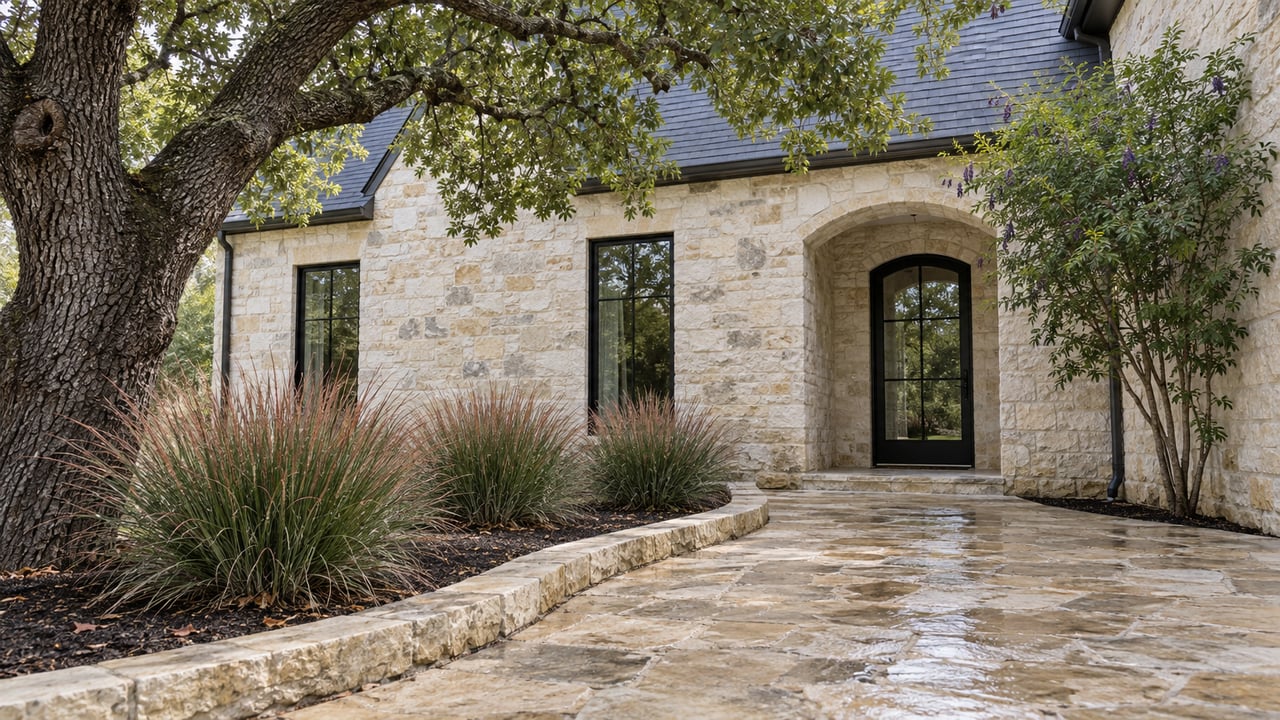
Choosing between Travis Heights and Bouldin Creek is not really about picking the "better" neighborhood. It is about finding the version of central South Austin that fits your daily routine, housing style, and budget. If you are trying to decide where your next home should be, a block-by-block view is far more useful than a broad label. Let’s dive in.
Why this comparison matters
Travis Heights and Bouldin Creek both sit close to the South Congress corridor, but they tend to offer different living experiences. On paper, they can look similar because both are central, established, and highly sought-after South Austin neighborhoods.
In practice, they often solve different problems for buyers. Travis Heights tends to appeal to people who want a more historic, leafy, and park-connected setting, while Bouldin Creek often attracts buyers who want a more urban, mixed-use feel with easier day-to-day access to South Congress.
Travis Heights at a glance
Travis Heights has deep roots as a planned residential neighborhood. Its history includes a mix of curving and grid streets, varied lot sizes, and early deed restrictions that kept out multifamily and commercial uses.
That planning history still shapes how the neighborhood feels today. Many parts of Travis Heights read as more residential and more separated from commercial activity than nearby areas.
The neighborhood is also closely tied to its natural setting. Preservation materials describe winding streets, dramatic hillsides, wooded trails, creeks, and parkland, which helps explain why the experience can feel more tucked away even though you are still close to central Austin.
Travis Heights housing style
If architecture matters to you, Travis Heights has a lot of range. Historic materials describe homes spanning from late-1800s Victorians to 1970s Mid-Century Modern designs.
That mix gives the area a layered character instead of a cookie-cutter look. Within the broader Travis Heights area, the Mary Street Local Historic District includes mostly one-story, modest-scale homes in Craftsman, Tudor Revival, and Minimal Traditional styles.
Travis Heights lifestyle feel
For many buyers, the biggest draw is the sense of residential calm. Even with South Congress nearby, parts of Travis Heights feel more removed from the commercial strip because of the topography, tree cover, and street layout.
If you picture yourself wanting older homes, more visible landscape changes, and a stronger park-and-creek character, Travis Heights may feel like the better fit. It often appeals to buyers who want central convenience without feeling like they live inside the busiest part of the corridor.
Bouldin Creek at a glance
Bouldin Creek is defined by a more urban pattern. The Bouldin Creek Neighborhood Association describes it as stretching from Lady Bird Lake to Oltorf and from South Congress to the rail tracks.
The City of Austin’s neighborhood plan describes Bouldin Creek as a mature urban neighborhood with individually built homes in many styles. It also points to active commercial corridors along South Congress, South 1st, and Barton Springs Road, which helps explain the neighborhood’s stronger mixed-use energy.
Bouldin Creek housing style
Bouldin Creek is eclectic by design and by history. The city plan notes that homes, churches, and retail buildings were built individually in varied materials, creating a neighborhood fabric that feels less uniform and more organically layered.
The plan also encourages mixed-use structures, live-work spaces, corner stores, and apartments over stores along major edges. For you as a buyer, that can mean more variety in housing types and a closer blend between residential streets and commercial activity.
Bouldin Creek lifestyle feel
If you want a neighborhood where daily life spills more naturally into cafes, restaurants, shops, and nearby errands, Bouldin Creek often delivers that more directly. It tends to feel more connected to the street life around South Congress and nearby commercial corridors.
That makes it a strong option if your routine includes walking out for coffee, dinner, or errands and you want that access to feel simple and immediate. The tradeoff is that the neighborhood may feel less separated from commercial activity than Travis Heights.
Walkability to South Congress
This is one of the clearest differences between the two areas. Bouldin Creek generally has the stronger walk-to-SoCo story.
The neighborhood reaches South Congress on its east side, and the South Congress Public Improvement District describes the corridor as a vibrant mixed-use district with business, culture, arts, entertainment, and diverse offerings. Walk Score ranks Bouldin Creek as Austin’s sixth most walkable neighborhood with a score of 82, and a South Congress address in the neighborhood scores 89.
For many buyers, that translates into an easier daily routine. Depending on your exact block, grabbing coffee, meeting friends, or handling small errands on foot can feel more straightforward in Bouldin Creek.
Travis Heights also connects to South Congress, but the experience varies more from one street to the next. Walk Score examples for Travis Heights Boulevard land around 54 to 62, labeled Somewhat Walkable, which lines up with the neighborhood’s hills, creeks, and less uniform street pattern.
That does not mean Travis Heights is disconnected. It means your exact address matters more there if walkability is high on your list.
Historic character versus urban energy
A simple way to think about this choice is historic residential character versus urban mixed-use energy. Both neighborhoods have personality, but they express it differently.
Travis Heights is known for its preservation history and established residential setting. Austin’s historic-district materials identify Travis Heights and Fairview Park as Austin’s first local and national historic districts south of the river.
Bouldin Creek, by contrast, stands out for its mature urban character and mixed-use edges. The neighborhood’s identity is shaped not just by homes, but also by the relationship between homes, retail, local commercial corridors, and varied building types.
If you want your home environment to feel more tucked into historic streets and natural features, Travis Heights may win. If you want your neighborhood to feel more plugged into central-city activity, Bouldin Creek may feel more natural.
Price and market context
Neither neighborhood is typically considered an entry-level option. According to Redfin’s March 2026 market pages, the median sale price was $926,000 in Travis Heights and $905,000 in Bouldin Creek.
Both markets were described as not very competitive at that time. Median days on market were 74 in Travis Heights and 116 in Bouldin Creek.
Those numbers are useful, but they do not tell the whole story. In both neighborhoods, pricing can shift meaningfully based on factors like:
- Exact street location
- Lot size
- Renovation level
- Detached versus attached housing type
- Architectural character
That is why neighborhood averages should be treated as a starting point, not a final answer. In these areas, the difference between one block and the next can be significant.
Which neighborhood may fit you better?
The best choice usually depends on how you want your week to feel, not just how you want your map to look. Here is a practical way to think through it.
Travis Heights may fit if you want:
- A more historic residential setting
- Greater connection to hillsides, creeks, trails, and parkland
- Older architecture with a broader historic mix
- Some separation from the busiest commercial stretches
- A street-by-street search focused on charm and setting
Bouldin Creek may fit if you want:
- Easier everyday access to South Congress
- A more urban, mixed-use neighborhood feel
- Greater housing and streetscape variety
- A routine built around walkability and nearby activity
- A location that feels closer to downtown-edge energy
Why the street matters more than the label
One of the most helpful ways to compare these neighborhoods is to stop thinking in broad categories alone. The same neighborhood can feel very different depending on slope, proximity to major corridors, lot configuration, and housing type.
In Travis Heights, a home on a hillier, quieter street can feel very different from one near the neighborhood edge. In Bouldin Creek, a property closer to South Congress or another active corridor may deliver a much more walkable routine than one deeper inside the neighborhood.
This is especially important if you are relocating or buying on a tight schedule. A clear shortlist based on your daily habits will serve you better than relying on neighborhood reputation alone.
Final thoughts on the choice
If your priority is charm, natural topography, and a more residential historic feel, Travis Heights often stands out. If your priority is walkability, mixed-use convenience, and a stronger connection to South Congress activity, Bouldin Creek often has the edge.
The right answer is usually not which neighborhood is best in general. It is which block, housing type, and day-to-day experience best match how you want to live.
If you want a sharper read on specific streets, home types, or current opportunities in central Austin, Eric Grosskopf can help you compare these neighborhoods with a focused, private strategy.
FAQs
Is Travis Heights or Bouldin Creek more walkable to South Congress?
- Bouldin Creek generally has the stronger walk-to-South Congress advantage, though exact walkability still depends on the specific block and property location.
Does Travis Heights have more historic homes than Bouldin Creek?
- Travis Heights is more closely associated with historic districts and a broad mix of older architecture, including Victorian, Craftsman, Tudor Revival, Minimal Traditional, and Mid-Century Modern homes.
Is Bouldin Creek more urban than Travis Heights?
- Yes. City planning materials describe Bouldin Creek as a mature urban neighborhood with active commercial corridors and a stronger mixed-use character.
Are home prices similar in Travis Heights and Bouldin Creek?
- Based on March 2026 Redfin market pages, median sale prices were relatively close at about $926,000 in Travis Heights and $905,000 in Bouldin Creek.
What should buyers compare besides the neighborhood name?
- You should compare the exact street, slope, lot size, renovation level, housing type, and how each property fits your daily routine.