Torn between Clarksville’s historic charm and Tarrytown’s tree‑lined calm? You are not alone. Both are coveted West Austin addresses with very different day‑to‑day rhythms. If you want a quick, practical way to decide which neighborhood fits your routine, this guide breaks down housing, commute, schools, recreation, rules, and risk so you can choose with confidence. Let’s dive in.
Clarksville vs. Tarrytown at a glance
Clarksville sits just west of downtown with a compact grid of historic cottages and townhome infill. You get a short hop to the central business district and UT, plus easy access to downtown dining, culture, and Lady Bird Lake trails.
Tarrytown stretches along the north shore of Lake Austin and Lake Austin Blvd. It is quieter, with larger lots and a more residential feel. Many streets are shaded and low‑traffic, and you are closer to lake recreation and west‑side corridors.
Housing and lot size
Best for: Clarksville if you value historic character and walkability; Tarrytown if you want space and privacy.
Clarksville
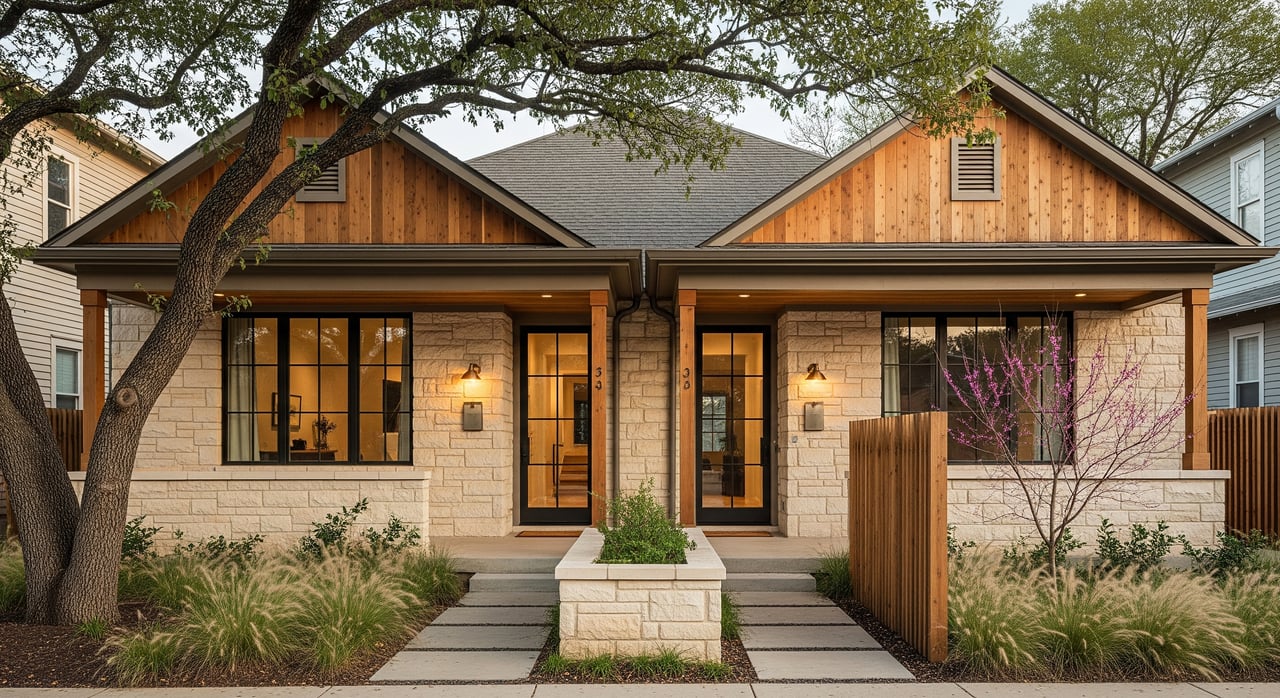
Clarksville is known for small‑lot bungalows, historic cottages, and increasing attached infill. You will see a blend of preserved homes and modern small‑lot builds. Parts of the neighborhood fall under historic overlays that shape what you can demolish or add. Always verify status with the City’s Historic Preservation resources.
Tarrytown
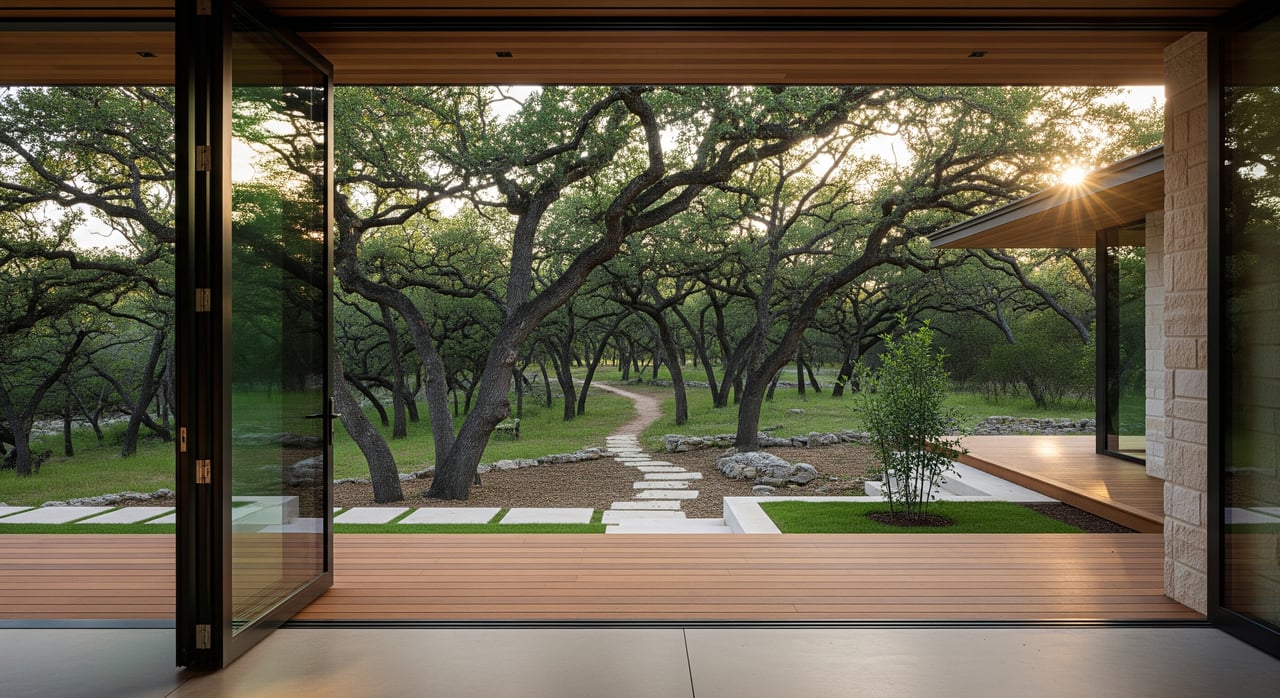
Tarrytown is predominantly single‑family on larger lots with mid‑century, traditional, and newer luxury rebuilds. You have more room for outdoor living and on‑site parking, and many properties offer flexible layouts for expansion. Fewer blocks carry historic restrictions, but always check specific lot rules before you plan a rebuild.
Price and market feel
Best for: Clarksville if you want a wider product mix; Tarrytown if you prefer high‑end single‑family estates.
Both neighborhoods command strong demand and often have limited inventory. Clarksville’s smaller homes and townhomes can move quickly because of the central location. Tarrytown is known as one of Austin’s premium single‑family markets due to lot size and proximity to the lake. If you need current median price, price per square foot, and days on market, ask for a fresh comp set tailored to your exact block and property type.
Commute and connectivity
Best for: Clarksville if you want the shortest hop to downtown by foot, bike, or scooter; Tarrytown if you prioritize easy access to Mopac and Lake Austin Blvd.
Clarksville puts you close to the Capitol, the central business district, and UT. The compact grid supports quick bike and scooter trips, and street parking can be tight. Tarrytown offers quick access to Mopac for north‑south drives and tends to have more on‑site parking and garages. For bus routes and service maps, review CapMetro schedules and maps.
Schools and childcare
Best for: Either neighborhood if you want Austin ISD access, with the reminder to verify attendance zones.
Both Clarksville and Tarrytown are served by Austin ISD. Boundaries can shift, so confirm the current school assignments for a specific address using the Austin ISD attendance area maps. If programs, waitlists, or private options matter to you, plan a school tour and check enrollment timelines early.
Parks, recreation, and lifestyle
Best for: Clarksville for daily access to downtown trails and culture; Tarrytown for lake‑adjacent recreation and larger yards.
From Clarksville, you can reach Lady Bird Lake trails, downtown parks, and Austin’s music and arts scene within minutes. Walks and runs are part of daily life. In Tarrytown, you are closer to Lake Austin, neighborhood parks, and quiet streets ideal for stroller or dog walks. Explore options on the City’s Parks and Recreation page.
Walkability and bikeability
Best for: Clarksville for higher walkability to errands and nightlife; Tarrytown for scenic strolls and bike routes with a residential feel.
Clarksville’s compact grid and proximity to retail and restaurants typically yield higher walkability. Tarrytown is more car‑forward for errands, but it offers pleasant sidewalks and bikeable streets. For a quick snapshot of walk and bike metrics, visit Walk Score and compare addresses side by side.
Safety, services, and rules
Best for: Buyers who want clarity on rules before renovating.
Both neighborhoods receive standard City of Austin services. Perceptions of safety are generally positive, but always review recent data for context using the Austin Police crime reports. If you plan to build an accessory dwelling unit or expand, check City policies on setbacks, lot coverage, tree preservation, and ADUs through Development Services, and confirm any historic overlay for Clarksville properties.
Flood risk and site checks
Best for: Tarrytown if you seek lake access and understand shoreline rules; Clarksville if you want central living and will verify drainage on low‑lying blocks.
Some Tarrytown parcels near Lake Austin fall within FEMA flood zones, which may affect design and insurance. Parts of Clarksville near Lady Bird Lake can also see localized flood risk from heavy storms. Before you write an offer, review parcel‑level maps at the FEMA Flood Map Service Center and the Travis County floodplain program, and ask for any available elevation certificates.
Taxes, HOA, and carrying costs
Best for: Buyers who prefer the freedom of no mandatory HOA in most single‑family zones.
Property taxes are assessed by Travis County, and values reflect the high demand in both neighborhoods. Many single‑family homes are not part of a mandatory HOA, while newer townhomes or condos may have monthly dues. To evaluate tax history and assessed value trends, search the parcel on the Travis Central Appraisal District.
Which neighborhood fits your lifestyle?
- Choose Clarksville if you want a short downtown commute, walkable streets, and historic charm with smaller lots and townhome options.
- Choose Tarrytown if you want larger lots, quiet streets, and faster access to Lake Austin and Mopac, with more flexibility for redevelopment.
How to compare like a local: a 7‑step checklist
- Confirm school zones. Use AISD’s map for your exact address and program priorities.
- Check overlays and zoning. Verify any historic status and design review requirements before planning renovations.
- Map flood risk. Pull FEMA and Travis County floodplain layers and ask for elevation certificates.
- Study site constraints. Look at setbacks, impervious cover, trees, and utility easements that affect build plans.
- Test your commute. Drive at your actual peak hours and check bus or bike routes.
- Validate parking and storage. In Clarksville, confirm on‑site parking options. In Tarrytown, assess garage capacity and driveway flow.
- Request current comps. Ask for a micro‑market report with days on market, price per square foot, and inventory by product type.
For sellers: what buyers expect now
Clarksville sellers
Highlight walkability, proximity to downtown, and any permitted upgrades that respect historic character. Stage outdoor nooks for morning coffee or work‑from‑home breaks, and make parking access clear. Premium presentation and disclosures on renovations help your home stand out.
Tarrytown sellers
Emphasize lot size, privacy, mature trees, and any improvements that support indoor‑outdoor living. Buyers often value updated roofs, foundations, and floor plans that allow multi‑generational or guest space. Professional staging and landscape refreshes showcase the scale and serenity buyers expect.
Where to pull current numbers
If you need hard numbers, request a block‑level report with these metrics:
- Median sale price and price per square foot by product type
- Days on market and list‑to‑sale trends for the past 90 days
- Inventory and absorption by price band
- Notable active, pending, and sold comps within a half mile
- TCAD assessed values and improvement histories
A local, MLS‑backed comp set gives you a precise view that online snapshots cannot match.
Ready to narrow it down to the right street and the right home? Get discreet, data‑driven guidance and private listing access with Eric Grosskopf. Schedule a private consultation.
FAQs
Is Clarksville or Tarrytown better for commuting to downtown Austin?
- Clarksville typically offers a shorter, more walkable commute to the central business district, while Tarrytown provides quick car access to Mopac and Lake Austin Blvd.
How walkable is each neighborhood for daily errands?
- Clarksville’s compact grid and nearby retail make everyday errands easier on foot; Tarrytown is more car‑oriented but offers pleasant sidewalks and bikeable streets.
Are there HOAs or special fees in Clarksville or Tarrytown?
- Most single‑family homes do not have mandatory HOAs, though townhomes and condos may include monthly dues; always review the specific property’s documents.
What should I know about flood risk in these areas?
- Some Tarrytown parcels near Lake Austin and low‑lying Clarksville blocks may sit in mapped flood zones; check parcel details on FEMA and Travis County floodplain maps.
Can I add an ADU or do major renovations?
- Rules vary by lot; verify setbacks, impervious cover, tree protections, and any historic overlay requirements with City of Austin Development Services before planning work.
How do I verify school assignments for a specific address?
- Use Austin ISD’s attendance area maps to confirm current school zones and then contact the schools to learn about programs and enrollment timelines.