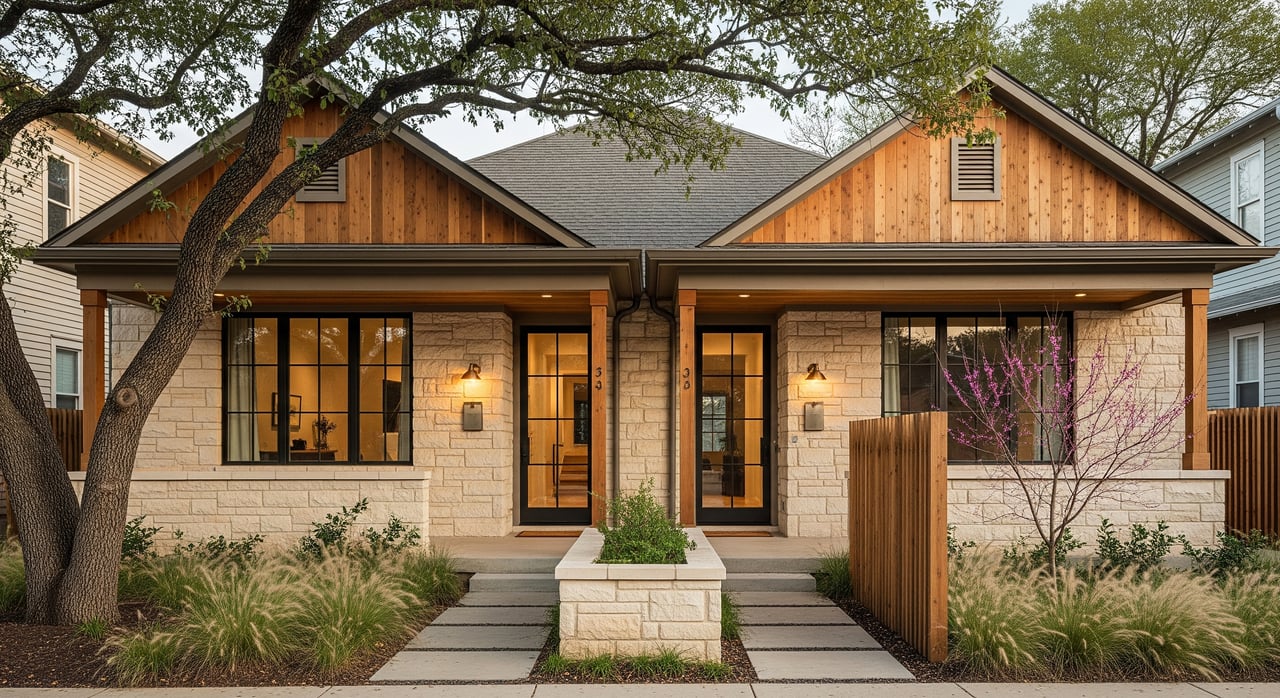
You want an income property that holds up in any market and puts you close to Austin’s core. Bouldin Creek duplexes check both boxes, but the numbers only work if you buy, renovate, and manage with intention. This guide shows you how to size up deals, avoid costly surprises, and model returns with a clear, step‑by‑step framework you can reuse on any two‑unit in the neighborhood. Let’s dive in.
Why Bouldin Creek attracts duplex investors
Bouldin Creek sits just south of Lady Bird Lake and downtown, near South Congress and South Lamar. You benefit from short commutes, walkable dining and culture, and proximity to Zilker Park and Barton Springs. That location draws steady renter interest from professionals and creative workers who value convenience.
The housing mix includes older bungalows, small multifamily, and infill builds. Many duplexes date to the mid‑20th century, which creates value‑add opportunities, but also means you should expect some deferred maintenance. Because central land is scarce, purchase prices can be higher relative to rents, so cap rates are often tighter than in outlying areas.
Austin home prices surged in 2020–2022, then cooled in 2023–2024. Central neighborhoods like Bouldin Creek typically remain resilient due to location and limited supply. To benchmark current values and rents before you offer, pull recent duplex comps and rent data for a half‑mile radius and confirm time on market and inventory trends.
What to check before you buy
Buying a duplex in Bouldin Creek is not just about price. Your first job is to confirm what you can legally do with the property and what it will cost to operate.
- Zoning and use: Verify the zoning district and whether a duplex is permitted by right. Confirm minimum lot size, compatibility standards, and any density limits with the City of Austin Development Services.
- Historic overlays: Parts of Bouldin Creek fall under historic or conservation overlays. Exterior changes, demolitions, or additions may require review. Check maps and processes through Historic Preservation.
- Permits and prior work: Pull the property’s permit history. Unpermitted electrical, plumbing, or structural work can trigger costly remediation when you renovate.
- Short‑term rentals: Austin requires registration and imposes limits based on zoning and occupancy. STR income is not guaranteed. Review current short‑term rental rules before you underwrite.
- Flood risk: Some central parcels near creeks and Lady Bird Lake sit in FEMA flood zones. Check the FEMA Flood Map Service Center and factor insurance costs into your expenses.
- Property taxes: Travis County taxes are a major line item. Review the tax history and any exemptions via the Travis Central Appraisal District.
Note: Texas does not have state income tax. Austin cannot impose rent control on private residential properties under current state law. Always confirm rules in writing and consult appropriate professionals.
Your ROI playbook, step by step
You want a clear model to compare options and make confident offers. Use this framework each time you evaluate a duplex.
Step 1: Gather your inputs
- Rents: Pull current rent comps for the same unit mix within 0.5 miles.
- Vacancy: Start with a conservative 5–8 percent vacancy factor unless local data supports lower.
- Expenses: Itemize taxes, insurance, repairs, maintenance, utilities you will pay, management fees, HOA if any, and reserves for capital items.
- Purchase and rehab: Confirm purchase price assumptions, closing costs, and a realistic rehab budget with a contingency of 10–20 percent.
- Financing: Outline loan type, down payment, interest rate, mortgage insurance if any, and closing costs.
Step 2: Build your pro forma
Use these definitions to keep your math consistent across properties:
- Gross Scheduled Rent (GSR): Sum of all market rents if fully leased.
- Effective Gross Income (EGI): GSR minus vacancy and credit loss.
- Operating Expenses: Recurring costs like taxes, insurance, utilities paid by owner, routine repairs, management, and reserves.
- Net Operating Income (NOI): EGI minus Operating Expenses.
- Cap Rate: NOI divided by purchase price.
Quick flow you can reuse:
- GSR → minus vacancy → EGI.
- EGI → minus operating expenses → NOI.
- NOI ÷ purchase price → Cap Rate.
Step 3: Layer in financing and cash returns
- Annual Debt Service: Principal and interest you will pay each year.
- Cash Flow Before Taxes: NOI minus Annual Debt Service.
- Cash‑on‑Cash Return: Annual cash flow before taxes divided by your total cash invested (down payment plus closing costs plus rehab).
- DSCR: NOI divided by Annual Debt Service. Many lenders target 1.20 or higher, but requirements vary.
For depreciation and tax treatment, review IRS Publication 527 on residential rental property. Remember, land value is not depreciable.
Step 4: Run sensitivity tests
- Price: Test purchase price at plus or minus 5–10 percent.
- Rent: Test rents at plus or minus 5–10 percent.
- Capex: Model a base rehab plan and a higher‑cost plan that addresses older systems.
A quick sensitivity pass shows which assumption drives returns and helps you set offer terms and contingencies.
Owner‑occupy or pure investment?
Buying a 2‑unit can open different loan paths.
- Owner‑occupied financing: If you live in one unit, many lenders offer lower down payments and more favorable terms on 2–4 unit properties. FHA and conventional products may apply, subject to underwriting. For policy details, reference the HUD Single Family Housing Policy Handbook and speak with local lenders about current programs.
- Non‑owner investment loans: Expect higher down payments, different reserve requirements, and potentially higher rates. Ask lenders how they count rental income for qualification and what DSCR they require.
If you owner‑occupy, confirm any homestead or tax benefits with TCAD and your tax advisor.
Acquisition and renovation strategy
Choose a plan that fits your time, capital, and risk tolerance.
- Owner‑occupy one unit, rent the other: Reduces your housing cost and may expand loan options. Focus upgrades on kitchens, baths, flooring, and in‑unit laundry to attract tenants.
- Buy‑and‑hold long‑term rental: Lower turnover and simpler operations. Price in professional management if you prefer a hands‑off approach.
- Value‑add renovation: Older Bouldin properties often need roof, HVAC, electrical, and plumbing updates. Budget for system upgrades first, then cosmetic improvements. If you plan additions or unit reconfiguration, confirm permits and compatibility early.
- STR or hybrid: Potentially higher gross rent, but with higher operating costs, regulatory complexity, and management intensity. Underwrite STR as a bonus scenario only after you confirm legal eligibility and registration.
Before closing, insist on full inspections. For pre‑1978 homes, follow lead‑safe work practices and disclosure rules. Pull permits for any new work to avoid future remediation.
Risk and how to manage it
Every investment has risk. Here are the big ones in Bouldin Creek and how to mitigate them.
- Regulatory shifts: STR rules, compatibility standards, and overlays can change. Mitigation: Confirm current rules with the city in writing and plan for long‑term rental viability.
- Flood and environment: Central Austin properties near creeks sometimes sit in flood zones. Mitigation: Check FEMA maps, ask for elevation certificates, and get flood insurance quotes before you finalize your pro forma.
- Market risk: Cap rates are tighter in central neighborhoods, so cash flow can be thinner if rents soften. Mitigation: Use conservative rent and vacancy assumptions and avoid relying on appreciation.
- Rehab surprises: Older buildings can hide structural, electrical, and plumbing issues. Mitigation: Order specialty inspections, review permit history, and include a 10–20 percent contingency.
- Vacancy pressure: New supply or economic changes can reduce demand. Mitigation: Focus on unit quality, functional layouts, and parking clarity to compete well.
Due‑diligence checklist you can use
Work through this list for each prospective duplex.
- Pull sold comps and active listings for Bouldin Creek duplexes from the last 6–12 months; confirm days on market and price trends.
- Obtain rent comps for the same unit mix within 0.5 miles; note condition and parking.
- Confirm zoning, compatibility, and permitted uses with City of Austin Development Services.
- Check for historic or conservation overlay status with Historic Preservation.
- Pull permit history and look for unpermitted work.
- Order inspections for structure, roof, HVAC, plumbing, and electrical; add a lead‑paint risk assessment for pre‑1978 properties.
- Check FEMA flood status at the Flood Map Service Center and request any elevation certificates.
- Review property tax and exemption history in the Travis Central Appraisal District and request seller utility bills.
- Speak with at least two local lenders about 2‑unit loan options, DSCR requirements, and how they recognize rental income.
- Obtain two contractor bids for rehab and two property management quotes if you will not self‑manage.
What success looks like in Bouldin Creek
A strong Bouldin Creek duplex investment matches the neighborhood’s renter profile, respects local rules, and leaves room for cash flow after realistic expenses. Units with updated systems, functional layouts, in‑unit laundry, and clear parking tend to lease faster at competitive rates. Your model should show stable returns under conservative rent and vacancy assumptions and pass lender DSCR thresholds.
If you want an experienced partner who knows the micro‑trends, can source on and off‑market options, and will help you underwrite and negotiate with precision, connect with Eric Grosskopf. Schedule a private consultation and get a focused acquisition plan for your goals.
FAQs
What makes Bouldin Creek duplexes attractive to tenants?
- Central location near downtown, walkable entertainment corridors, and short commutes draw professionals seeking convenience and updated finishes.
How do I confirm a Bouldin duplex is legal for two units?
- Verify the zoning district, permitted uses, and any compatibility standards with the City of Austin Development Services and request confirmation in writing.
Are short‑term rentals allowed for Bouldin Creek duplexes?
- STRs require registration and are limited based on zoning and occupancy; review Austin’s rules and underwrite long‑term rents first.
What vacancy rate should I model in central Austin?
- Many investors use 5–8 percent as a conservative range, then refine with current comps and neighborhood‑specific rental data.
Which expenses drive the pro forma in Travis County?
- Property taxes, insurance, repairs, management, utilities you will pay, and reserves for capital items are the largest recurring costs.
Can I use owner‑occupied financing for a 2‑unit in Bouldin?
- Yes, many lenders offer owner‑occupied products for 2–4 units, including FHA and conventional options, subject to underwriting and occupancy rules.
How does depreciation affect my duplex returns?
- Residential rental buildings are depreciated over 27.5 years, which can reduce taxable income; review IRS Publication 527 and consult your tax advisor.