Want to know why two similar Travis Heights homes can close at very different prices? In this neighborhood, greenbelt access often makes the difference. If you’re weighing a purchase or planning a sale, it helps to understand how proximity to parks, trails, and treed corridors adds perceived value, and where the tradeoffs show up. In this guide, you’ll learn the key drivers behind greenbelt premiums, what the research says, and practical steps to measure the effect before you make a move. Let’s dive in.
What counts as greenbelt access in Travis Heights
Travis Heights sits just south of downtown with quick reach to Lady Bird Lake and the Ann and Roy Butler Hike-and-Bike Trail. The area benefits from landmark destinations like Zilker Metropolitan Park and Barton Springs Pool, plus neighborhood green corridors and pocket parks managed by the City of Austin. The lake trail is the signature amenity; you can enjoy the loop for running, cycling, and casual walks along the water. Explore the trail overview from the city at the Ann and Roy Butler Hike-and-Bike Trail page.
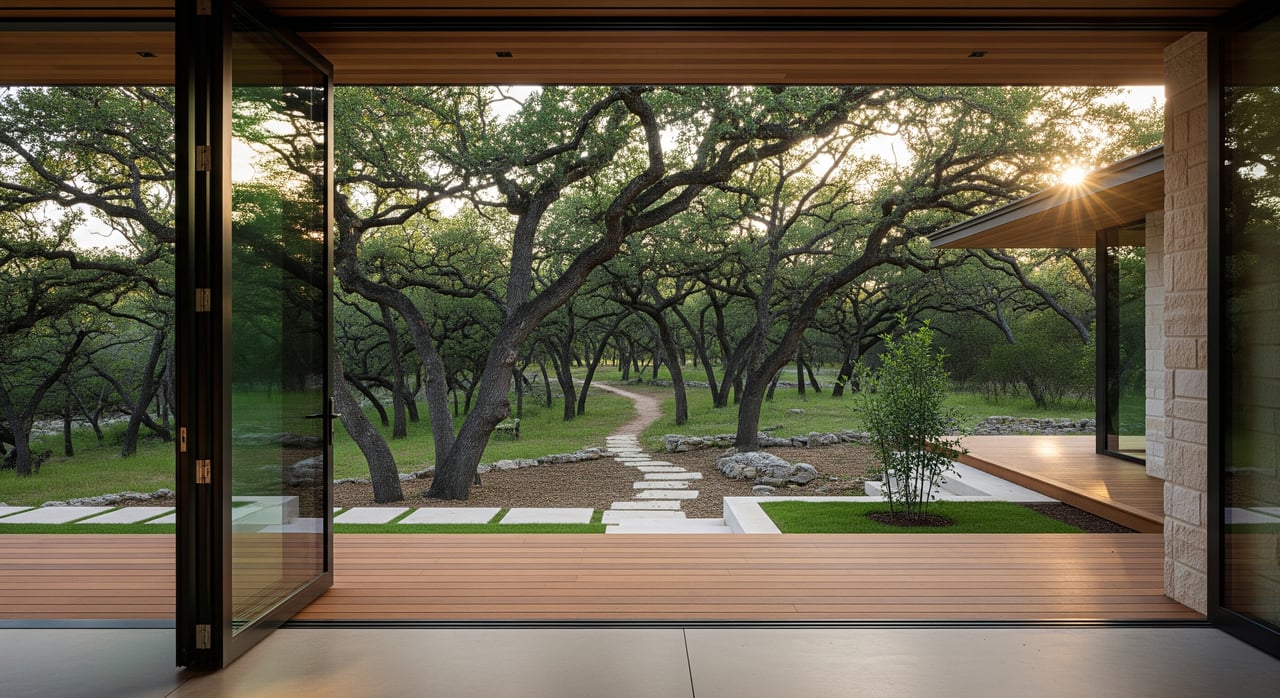
Within Travis Heights, you’ll also find tree-lined streets, local creeks, and smaller greenbelt pockets that create privacy buffers and framed views. Access value here is not only about a front-door-to-trail distance. It also includes whether your lot backs to protected green space, the orientation and quality of the view, and how easy it is to reach a trailhead without crossing major streets.
How access adds value
Based on municipal studies and hedonic pricing research, green space generally supports higher home values. In Travis Heights, five mechanisms tend to matter most:
- Recreation and lifestyle. Easy access to the Butler Trail, Zilker, and Barton Springs raises day-to-day enjoyment for walkers, runners, cyclists, dog owners, and fitness-focused buyers.
- Views and privacy. Homes that back onto greenbelts or enjoy treed, unobstructed views often command premiums for their aesthetics and privacy.
- Walkability. Proximity to parks and trails can improve perceived walkability and neighborhood desirability, which buyers translate into value.
- Environmental comfort. Mature tree canopy and shaded corridors can create a cooler microclimate and a calm, park-like feel.
- Scarcity. Protected green spaces and stream or tree protections limit nearby supply and future development, which supports prices for adjacent lots.
When access can cut into value
Not all greenbelt adjacency is a net positive. A few factors can mute or reverse the premium:
- Flood risk. Properties near creeks or the lake may sit in a FEMA or local floodplain, which can affect lending, insurance, and future resale. Start with the FEMA Map Service Center to determine flood status before you bid.
- Trailhead activity. Homes near busy access points can experience parking spillover, foot traffic, and noise at peak times. Some buyers will discount for that.
- Maintenance and privacy. Bordering natural areas can bring more leaves, pests, or sightlines from the trail if there’s minimal buffer planting. Strategic landscaping can help.
- Regulatory constraints. Tree protection rules and creek setbacks can limit remodels or additions. That can reduce flexibility for future plans and should be priced in.
What the research says about price premiums
Across studies and municipal reports, proximity to parks and greenbelts typically shows a positive relationship with residential value. Many studies report common impacts in the roughly 5 to 15 percent range, with some cases approaching about 20 percent when a property directly abuts a major park or has superior views. The exact premium depends on park quality, the difference between abutting versus nearby, local market tightness, and any disamenities like flood exposure or heavy trail traffic.
In Travis Heights, the premium is most evident for homes that back onto green corridors, offer privacy and view, and provide quick, safe access to the Butler Trail or lakefront. That said, each property is unique. Floodplain status, lot orientation, trail intensity, and remodeling constraints can shift value up or down.
How to measure the effect locally
If you want a defensible estimate for a specific home, pair neighborhood knowledge with simple, reproducible analysis:
- Define access clearly. Break properties into categories such as abutting greenbelt, within a short walk to a trailhead, or nearby with no direct adjacency. Note view quality and orientation as separate attributes.
- Use matched-pair comps. Compare sales of similar homes that differ primarily in greenbelt access. In a small neighborhood like Travis Heights, matched pairs often outperform underpowered regressions.
- Control for structure. Make sure you account for square footage, beds, baths, lot size, age, and level of updates so the access adjustment is isolated.
- Look across multiple years. Use a 3 to 5-year window to capture enough sales depth and reduce noise from micro-cycles.
- Track speed and negotiation. Review days on market and list-to-sale price ratios to see if greenbelt-adjacent homes sell faster or closer to list.
For data, pull parcel attributes and histories from the Travis Central Appraisal District, and sold comps and market reports from the Austin Board of REALTORS®. To contextualize access, reference city trail and park resources via the City of Austin Parks and Recreation pages and verify flood status through the FEMA Map Service Center.
Buyer checklist near greenbelts
Before you write an offer, confirm the upside and the tradeoffs:
- Run a flood check. Search the property address on the FEMA Map Service Center and ask your lender about insurance requirements and costs.
- Walk the area at peak times. Visit on weekend mornings and evenings to gauge parking and trail traffic near access points.
- Confirm legal access. Verify whether the nearby greenbelt is public, private, or requires an easement. Ask about any shared maintenance responsibilities.
- Evaluate privacy and sightlines. Check whether screening, fencing, or landscaping is needed and what local rules allow.
- Assess remodel flexibility. Discuss tree protections and stream setbacks with your agent and contractors before you plan additions.
- Price the premium strategically. Expect to pay more for greenbelt adjacency and views, but adjust for any flood or activity concerns.
Seller strategy for greenbelt lots
If you’re selling a Travis Heights home with greenbelt proximity or views, your goal is to make that lifestyle value obvious and defensible:
- Lead with lifestyle. Call out the walking minutes to the Butler Trail, Lady Bird Lake, and nearby trailheads in the first lines of your description.
- Show, don’t tell. Use aerials or drone photos to highlight the green corridor, view orientation, and the path to the trail.
- Document the facts. Disclose floodplain status, any past mitigation, and relevant easements or setbacks. Clear documentation reduces buyer friction.
- Stage outdoor living. Emphasize privacy and entertainment spaces that face the greenbelt. Thoughtful landscaping can sharpen the view and buffer noise.
- Anchor your price with comps. Present matched sales that isolate the greenbelt adjustment, plus any difference in days on market.
- Leverage pre-list improvements. Light updates, landscaping, and premium presentation can help you realize the full adjacency premium.
Regulations and risk to review
Greenbelt-adjacent homes in Travis Heights can sit near creeks or the lake, so floodplain and insurance requirements can apply. Start your diligence with the FEMA Map Service Center. Austin also enforces tree protections and watershed or stream setbacks that can affect remodel plans. If you are unsure, coordinate with your agent and independent inspectors early, and rely on city resources for the latest rules and maps through the City of Austin Parks and Recreation site.
Bottom line for Travis Heights pricing
Greenbelt access in Travis Heights is a meaningful driver of buyer preference and pricing power. The biggest premiums tend to accrue to homes that back onto protected green space, have superior view orientation, and offer safe, quick access to the Butler Trail and Lady Bird Lake. But the premium is not automatic. Flood status, trailhead intensity, and regulatory constraints can offset value and should be part of your pricing and negotiation strategy.
If you want a tailored read on a specific property, matched-pair comps and a concise flood and access fact set will give you confidence on price. For a discreet, data-backed plan to buy or sell near the greenbelt in Travis Heights, schedule a private consultation with Eric Grosskopf.
FAQs
How much does greenbelt access add to a Travis Heights home’s value?
- Research often shows typical impacts in the roughly 5 to 15 percent range, with some cases up to about 20 percent for direct park adjacency and superior views, subject to property-specific factors.
How do I check if a Travis Heights address is in a floodplain?
- Start with the address search at the FEMA Map Service Center and discuss insurance and lending implications with your lender and agent.
Do greenbelt-adjacent homes sell faster in Travis Heights?
- They can, especially when privacy and views are strong; confirm by comparing days on market and list-to-sale ratios for matched comps in recent years.
What should I verify about legal access to a Travis Heights greenbelt?
- Confirm whether the green space is public or private, whether an easement is required, and if any shared maintenance applies, before you rely on that access in pricing.
Are Zilker Park and Barton Springs proximity different from smaller greenbelts in Travis Heights?
- Proximity to major destinations like Zilker Metropolitan Park and Barton Springs Pool can carry stronger premiums than smaller pockets, especially when walkability is clear.
Which local data sources help quantify greenbelt value in Travis Heights?
- Use the Travis Central Appraisal District for parcel details, the Austin Board of REALTORS® for comps, and City of Austin park resources to define trail and greenbelt context.