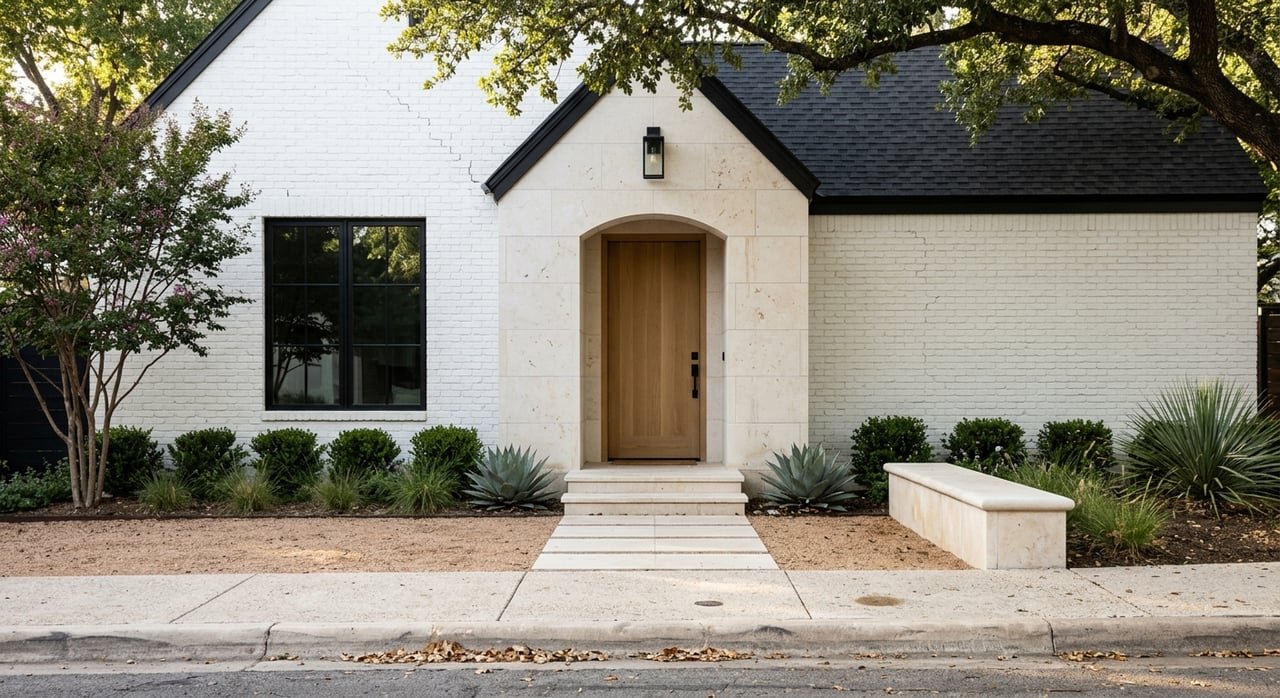
If you are looking for an Austin neighborhood that feels both connected and quietly tucked away, Clarksville stands out fast. Just west of downtown, this historic area offers a mix of cottage-scale restaurants, local coffee spots, preserved homes, and short side streets that feel lived-in rather than overly polished. If you are considering a move, planning a visit, or simply trying to understand what makes Clarksville so appealing, this guide will help you see how its history and daily rhythm come together. Let’s dive in.
Why Clarksville Feels Different
Clarksville’s appeal starts with its history, but it does not stop there. According to the Texas Historical Commission’s Clarksville Historic District record, the district is one of Austin’s oldest historic areas, with boundaries roughly defined by West Lynn, Waterston, West 10th, and MoPac. The district was added to the National Register in 1976, and its documented architecture includes Bungalow/Craftsman and Late Victorian styles.
That historic setting is tied to a deeper story. The Clarksville Community Development Corporation says the neighborhood was founded in 1871 and was one of Texas’s earliest Freedom Colonies. Today, that legacy still shapes the area’s identity through preserved homes, community institutions, and a street pattern that feels personal and small-scale.
Historic Roots You Can Still See
One reason Clarksville has such a strong sense of place is that its history remains visible. The Haskell House, located at 1703 Waterston Avenue, was built around 1875 and is recognized by the City of Austin as the oldest registered structure in Clarksville. It also serves as a museum and community space, which gives the neighborhood a living connection to its past.
The same city history notes that Sweet Home Missionary Baptist Church began soon after Clarksville was established. Together, these landmarks help explain why Clarksville feels layered instead of manufactured. You are not just walking through a convenient central neighborhood. You are moving through a place with long-standing cultural and architectural continuity.
West Lynn Sets the Everyday Pace
Clarksville’s commercial life feels intimate because it is woven into the neighborhood rather than separated from it. The Old West Austin Neighborhood Plan supports a mix of residential and commercial development along Lamar and West Lynn, while also encouraging pedestrian-friendly public spaces and better walking connections.
That planning context helps explain why Clarksville does not read like a major shopping district. Instead, you find a handful of well-known spots clustered along walkable streets, especially around West Lynn and near the West 6th and Blanco edge. For buyers and relocators, that usually translates into a neighborhood that feels convenient without losing its residential character.
Cafes and Restaurants With Local Texture
Clarksville’s dining scene is one of its biggest draws, but the experience is more about scale than volume. Many of the neighborhood’s best-known destinations sit in smaller buildings, older houses, or street-facing spaces that match the surrounding blocks.
Josephine House is a strong example. Located in a cottage at Waterston and West Lynn, it offers breakfast, lunch, brunch, happy hour, dinner, and a coffee-or-cocktail bar, along with a patio and front lawn. The setting reflects what many people love about Clarksville: polished but comfortable, and active without feeling hectic.
Jeffrey’s has been part of the neighborhood since 1975, when it originally opened to bring a café to Clarksville. Today it remains a long-standing fixture on West Lynn with multiple dining rooms and a wine cellar. Its longevity says a lot about the neighborhood itself, where established businesses often become part of the local identity.
For coffee, Caffé Medici’s West Lynn location is especially telling. The company describes it as the neighborhood’s “living room,” and notes that the building has had several earlier uses, including an accounting office, a beauty salon, and Crofts Boutique. That kind of adaptive reuse fits Clarksville’s personality well.
If you want something more casual, Galaxy Cafe on West Lynn has served the Austin community since 2004 and offers an all-day, scratch-kitchen format that fits the neighborhood’s everyday rhythm. Near the edge of Old West Austin, Clark’s Oyster Bar adds another layer with its patio, oyster bar, and tree-shaded deck.
Side Streets Matter Here
In Clarksville, the charm is not limited to where you eat or grab coffee. It is also about how the neighborhood feels between destinations. Short blocks, older homes, and quieter residential streets make even a simple walk feel more textured.
That side-street appeal is reinforced by local planning and the neighborhood’s built form. The neighborhood plan highlights safer crossings and pedestrian-friendly public spaces as priorities, especially around West Lynn and 12th Street. In practical terms, that supports the kind of daily movement that makes Clarksville feel human-scale instead of car-dominated.
You see the same pattern in the businesses themselves. Josephine House emphasizes its patio and lawn, Medici calls itself a neighborhood living room, and Clark’s highlights its shaded outdoor space and limited parking. Taken together, those details suggest a place designed for shorter trips, slower moments, and a more local rhythm.
Parks Add to the Walkable Feel
Clarksville’s green spaces help round out that experience. The Clarksville Community Development Corporation notes that the neighborhood is within walking distance of four city parks. That proximity helps support the kind of day-to-day lifestyle many buyers want in central Austin.
Austin Parks and Recreation lists Mary Frances Baylor Clarksville Pocket Park and the Clarksville Splash Pad at 1811 W. 11th Street, with the splash pad open seasonally from May through October. Nearby options also include West Austin Neighborhood Park and Pease District Park, adding more places for a short walk or time outdoors.
Historic Homes and Modern Infill
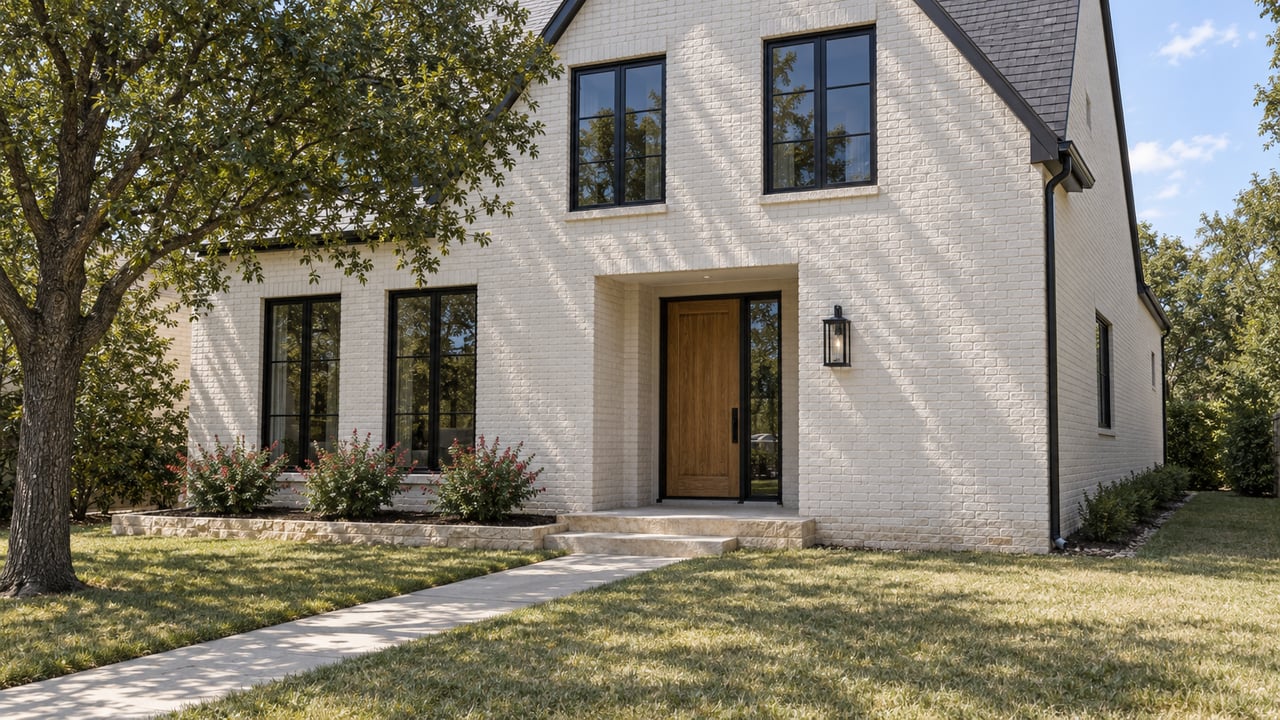
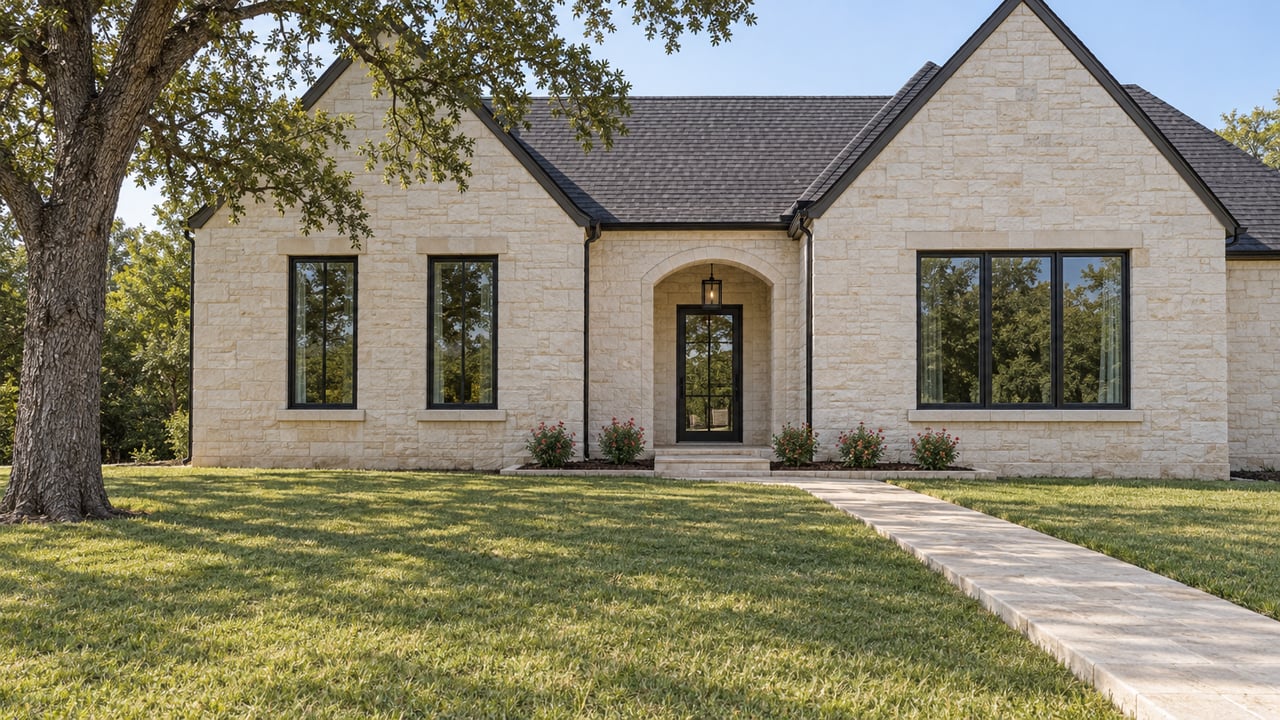
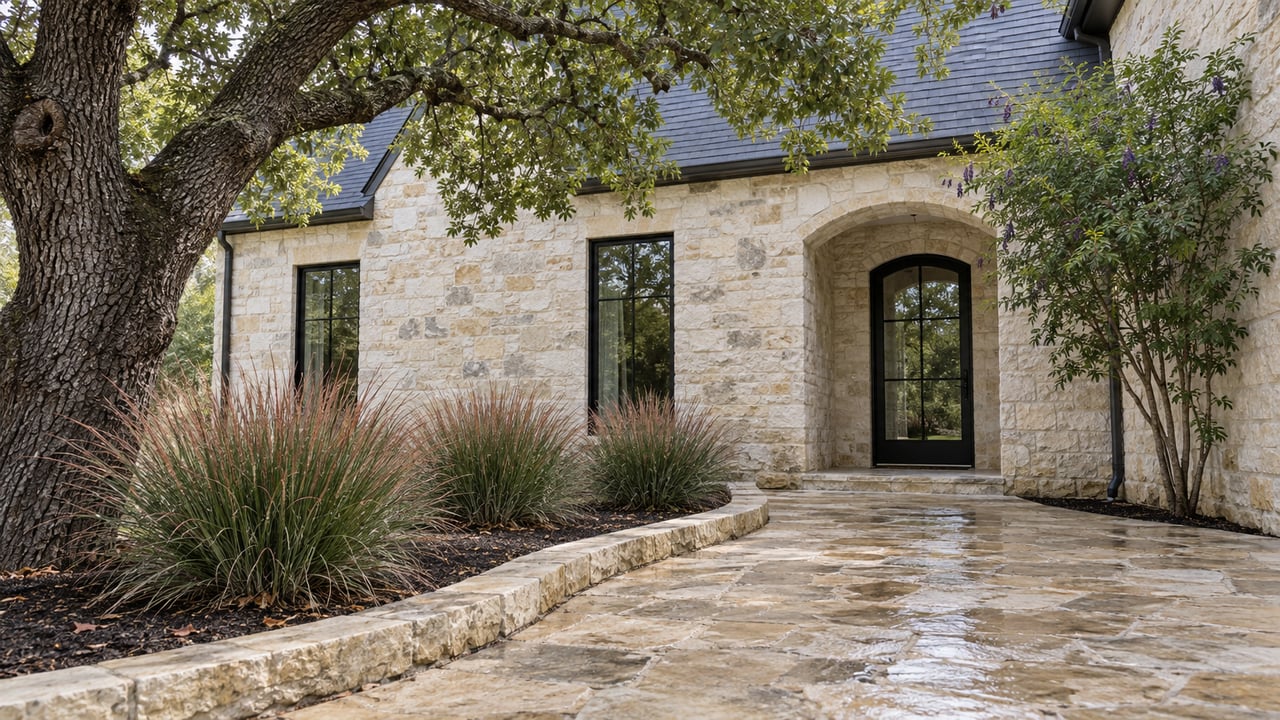
Clarksville may feel historic, but it is not frozen in place. The neighborhood continues to evolve through smaller-scale housing updates and selective infill, which matters if you are trying to understand the range of homes and development patterns in the area.
The Clarksville Community Development Corporation’s housing overview says its affordable housing portfolio includes 11 properties made up of single-family homes, duplexes, and an accessory dwelling unit. It also notes that two of those homes are newly constructed. That is a useful reminder that new build opportunities do exist, but they typically appear within an established neighborhood fabric rather than through large-scale redevelopment.
Current projects support that same pattern. Westline describes itself as 16 traditional yet modern residences in the Clarksville area. On the West 6th corridor, Sixth & Blanco is a mixed-use project that retains two historic facades while combining retail, hospitality, and residential uses.
Another example is the proposed redevelopment of the former Nau’s Enfield Drug block. Local reporting from Yahoo News says the plan includes ground-floor retail, residences, underground parking, and preservation of the Medici house and some facade elements. For anyone watching Clarksville over time, that is a clear example of how change tends to happen here: incrementally, with attention to context.
What This Means for Buyers
If you are thinking about buying in Clarksville, lifestyle and housing often go hand in hand. You are not only choosing a home style or lot size. You are also choosing a neighborhood where historic character, walkable daily routines, and central Austin access all play a major role.
That can appeal to several types of buyers. Some are drawn to the area’s preserved cottages and architectural character. Others value the proximity to downtown alongside a neighborhood setting that still feels residential and established.
Because Clarksville includes both older homes and newer infill, it helps to look closely at block-by-block context. A polished, strategic home search matters here, especially if you want to compare original housing stock, newer construction, and mixed-use edge locations with confidence.
Why Clarksville Keeps Its Charm
Clarksville’s charm is not accidental. It comes from a rare combination of visible history, small-scale commercial nodes, neighborhood parks, and measured growth. The result is a part of Austin that feels grounded, local, and easy to understand once you spend time on its streets.
For many buyers and relocators, that balance is the real draw. You get access to central Austin, but you also get a neighborhood with texture, continuity, and a day-to-day pace that feels more personal than purely urban.
If you are considering buying or selling in Clarksville, working with a local advisor who understands the neighborhood’s history, housing mix, and block-by-block nuances can make a meaningful difference. To discuss Clarksville or other west-central Austin neighborhoods in a private, strategic way, connect with Eric Grosskopf.
FAQs
What makes Clarksville, Austin feel unique?
- Clarksville stands out for its Freedom Colony roots, preserved historic homes, walkable commercial pockets, and small-scale neighborhood feel close to downtown Austin.
What are some popular cafes and restaurants in Clarksville?
- Well-known stops include Josephine House, Jeffrey’s, Caffé Medici on West Lynn, Galaxy Cafe, and Clark’s Oyster Bar near the neighborhood’s edge.
Is Clarksville, Austin a historic neighborhood?
- Yes. The Clarksville Historic District is listed on the National Register, and the neighborhood includes long-standing landmarks such as the Haskell House.
Are there parks near Clarksville homes?
- Yes. Clarksville is within walking distance of several city parks, including Mary Frances Baylor Clarksville Pocket Park, the Clarksville Splash Pad, West Austin Neighborhood Park, and Pease District Park.
Does Clarksville have new construction homes?
- Yes. While Clarksville is known for its historic housing, some newer construction and infill projects are part of the neighborhood’s evolving residential landscape.