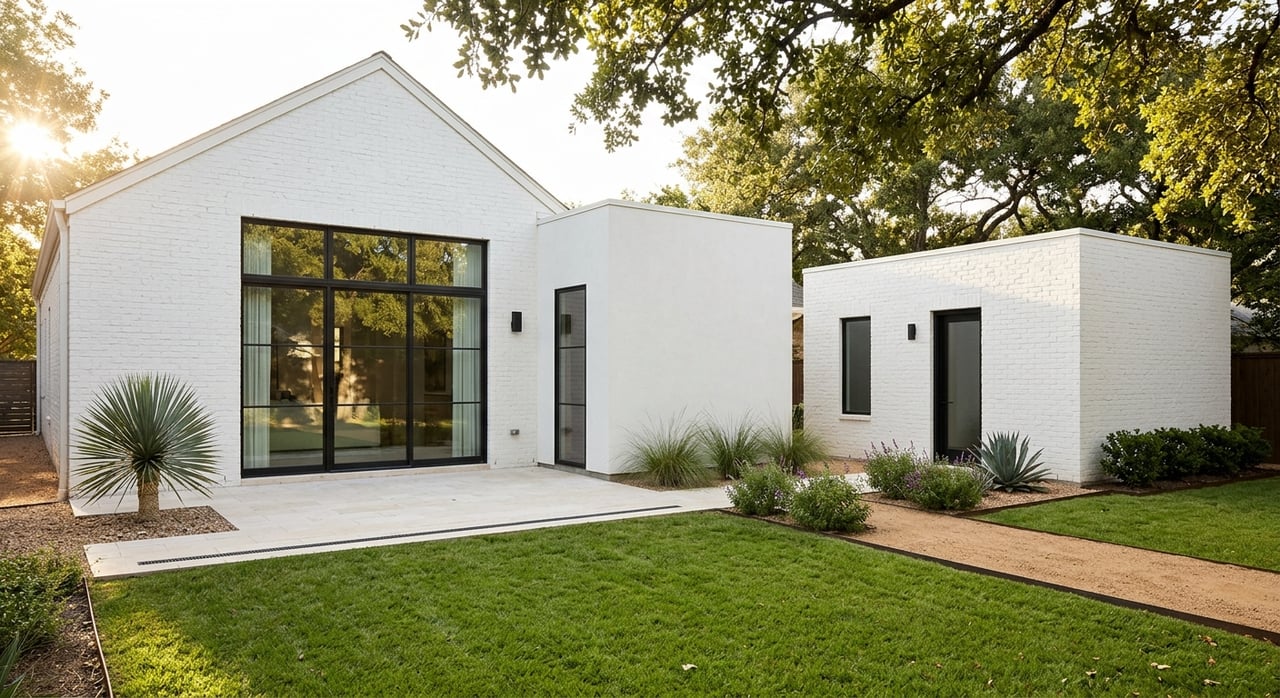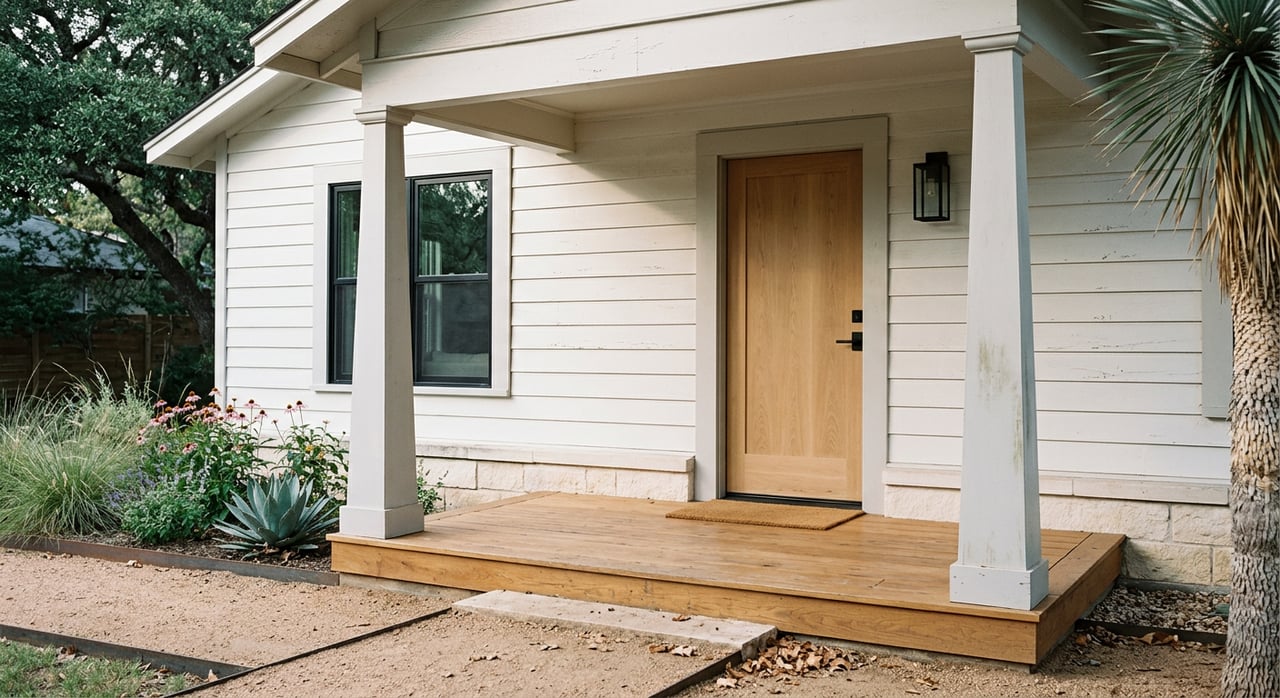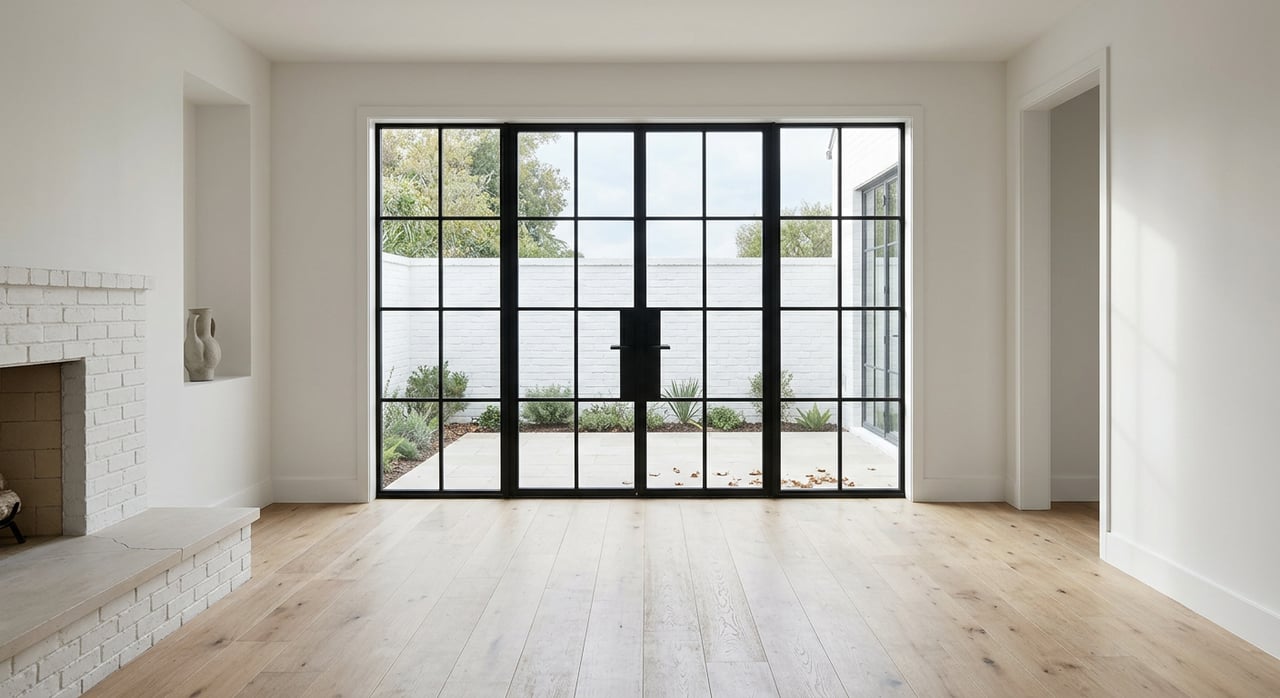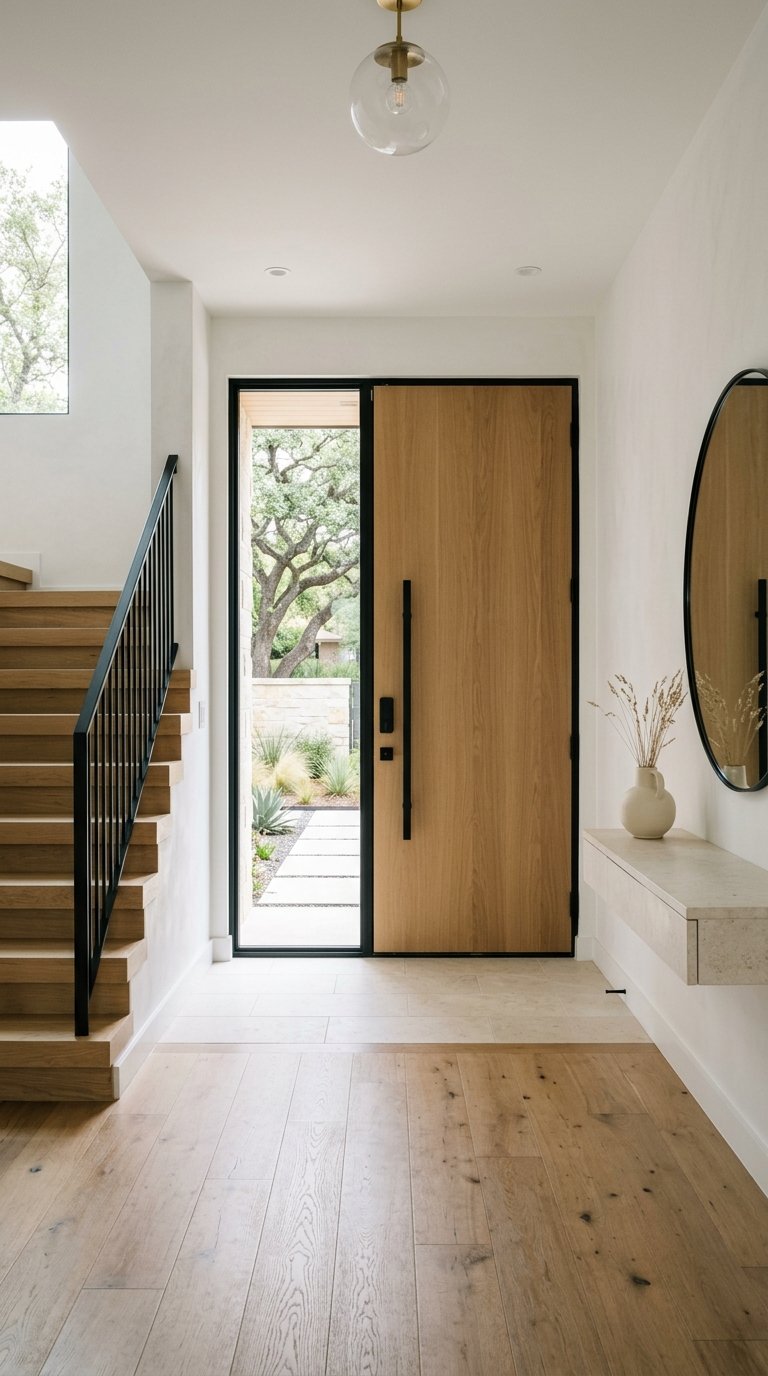
If you own a home in Rollingwood but no longer live in Texas, selling it can feel like a logistics puzzle. You may be wondering how to manage repairs, disclosures, showings, and closing when you are states away. The good news is that with the right local system, you can sell remotely without losing control of the process. Let’s dive in.
Why Rollingwood needs a local plan
Rollingwood is not a typical suburban resale market. The city describes itself as a small, walkable community of just over 1,500 residents with a location next to Zilker Park and a growing commercial district, which helps explain why buyers often respond strongly to presentation, lifestyle, and setting in this area. In a market this small and visible, details matter.
That is especially true today. As of March 2026, Realtor.com reported just 7 homes for sale in Rollingwood, with a median listing price of $2,699,500 and a median price per square foot of $946. When inventory is limited and price points are high, your home’s preparation, photography, and buyer experience can carry even more weight.
Build your remote selling team first
If you are selling from out of state, your first priority is not the sign in the yard. It is choosing a Texas-licensed local professional who can coordinate the moving parts on your behalf. According to TREC guidance on out-of-state brokerage activity, an out-of-state broker handling Texas property must obtain a Texas license or associate with a Texas broker.
That makes local representation more than a convenience. It is a practical way to keep your sale compliant, organized, and moving on schedule. In a place like Rollingwood, where presentation and timing can influence the result, local oversight matters.
Prepare the home for an online-first market
When you are not nearby, it is easy to think of staging and marketing as optional upgrades. In reality, they are often central to how buyers evaluate a home before they ever step inside. The National Association of Realtors 2025 staging report found that 29% of agents said staging increased dollar value offered by 1% to 10%, while 49% said it reduced time on market.
That same report also found that buyers’ agents rated photos, videos, and virtual tours as highly important. For a Rollingwood listing, that supports a polished digital strategy that starts before the home goes live. If your home is vacant or lightly furnished, professional staging or strategic styling can help buyers better understand the space.
Focus on the rooms buyers notice most
NAR’s report found that the living room, primary bedroom, and kitchen were among the rooms most often emphasized in staging. If you are working with a limited prep budget, those are often smart starting points. A clean, cohesive look in those spaces can have an outsized impact on the full listing presentation.
Prioritize these pre-listing tasks
A remote seller often benefits from a simple, ordered checklist:
- Declutter and remove personal items
- Deep clean the home
- Complete visible repairs
- Refresh landscaping where needed
- Schedule professional photography
- Add video and virtual tour assets
- Confirm utilities remain active during the listing period
For higher-end presentation, Compass Concierge may also help finance certain pre-listing improvements, which can be useful if you want to prepare the home without handling every upfront expense at once.
Plan repairs with Rollingwood rules in mind
Repairs are often where remote sales become stressful. The challenge is not just finding contractors. It is making sure scheduling, permits, and access are handled correctly.
The City of Rollingwood states that it uses My Government Online for permit applications and issuance, that some paper applications still require owner authorization, and that inspection requests must be submitted before 3:00 p.m. to be scheduled for the next business day. If you are out of state, that is a strong reason to have one local point person coordinating vendors and timelines.
Landscaping also deserves care. Rollingwood’s tree canopy ordinance requires a permit to remove protected trees on residential lots when trunks are 12 inches or more in diameter. If you are considering major pruning or tree removal to improve curb appeal, it is worth confirming the rules before any work begins.
Do not overlook seller disclosures
Moving away does not remove your disclosure obligations. Texas requires a Seller’s Disclosure Notice for many previously occupied single-family residences in contracts entered on or after September 1, 2023. The form addresses material facts and the physical condition of the home, so you should expect to complete it even if you have not lived in the property recently.
If your Rollingwood home was built before 1978, federal law may also require disclosure of known lead-based paint hazards before the buyer signs the contract, along with the EPA lead pamphlet. The EPA’s real estate disclosure guidance outlines those requirements. Older homes in central Austin-area neighborhoods often make this an important question to address early.
Keep the vacant home monitored
If the property will be vacant while listed, small issues can turn into expensive problems if no one catches them quickly. Utility management and routine check-ins become part of your sales strategy, not just property maintenance.
Rollingwood’s utility services page explains that customers can monitor water use and set leak alerts through EyeOnWater. The city also provides forms to start or close water service, which can help you keep the home ready for cleaning, landscaping, and showings while avoiding surprises.
For added peace of mind, the Rollingwood Police Department offers a Patrol Request Form so officers can patrol and check on a home while the owner is away. For an out-of-state seller, that is a valuable local resource during the listing period.
Create a simple showing process
Remote selling works best when the showing plan is clear from the start. That means approved showing windows, instructions for vendor access, a process for feedback, and a reliable person handling in-person issues if they come up.
Because buyers often begin online, your digital presentation needs to do more than attract clicks. It should answer the first round of buyer questions before they schedule a tour. In a premium market like Rollingwood, strong visuals and smooth logistics can help your home make the right first impression.
Review offers with a clear system
When offers come in, speed and clarity matter. TREC notes that the listing agent must present all offers in a timely manner, and that a seller may receive, review, and negotiate several offers at the same time through the transaction process described in its Texas buying and selling overview.
If you are out of state, it helps to set expectations in advance for how you want offers communicated. Many sellers prefer a written summary of price, timing, contingencies, and notable terms, followed by a call to discuss strategy. That keeps decision-making efficient without making you feel rushed.
Closing can often be handled remotely
One of the biggest concerns for out-of-state sellers is whether they need to fly back to Texas to close. In many cases, the answer is no. The Texas Secretary of State explains that a Texas online notary can perform notarization through audio-video technology, and the law allows online notarization even if the signer is physically outside Texas at the time.
TREC also explains that title closing is the final step in the transaction, and that the title or escrow agent acts as a neutral third party who reviews the closing documents. In practice, that means the title company manages the closing process and can confirm which documents are eligible for remote signing and whether any item needs a different signing method.
Expect digital communication throughout
Texas brokers and sales agents must provide the Information About Brokerage Services form at the first substantive communication, and TREC notes that this can be delivered in ways that fit a remote workflow, including email or hyperlink delivery. That is one more reason the transaction can usually move forward smoothly even when you are not local.
What makes remote selling work
Selling a Rollingwood home while living out of state is less about distance and more about systems. In a small, high-value market, you are not just listing a property. You are managing presentation, access, disclosures, repairs, monitoring, negotiation, and closing with precision.
When each step has a clear owner and timeline, the process becomes much more manageable. If you want a discreet, hands-on plan tailored to your property and schedule, Eric Grosskopf can help you prepare, market, and sell with a local strategy built for remote owners.
FAQs
Can you sell a Rollingwood home without returning to Texas?
- Yes. Texas allows online notarization for eligible documents, even if you are physically outside Texas, and the title company manages the closing process and confirms signing requirements.
What disclosures apply when selling a Rollingwood home from out of state?
- Many previously occupied single-family homes in Texas require a Seller’s Disclosure Notice, and homes built before 1978 may also require federal lead-based paint disclosures.
How should you monitor a vacant Rollingwood home during the sale?
- You can use Rollingwood utility tools such as EyeOnWater leak alerts and request extra patrol checks through the Rollingwood Police Department while the home is vacant.
Why does a Rollingwood home need a more hands-on selling strategy?
- Rollingwood is a small, close-in market with limited inventory and high price points, so presentation, repair coordination, and polished online marketing can have a bigger impact.
Who should handle a Rollingwood sale if you live out of state?
- A Texas-licensed local agent is the practical choice for coordinating listing preparation, showings, offers, disclosures, and closing logistics for a Texas property.