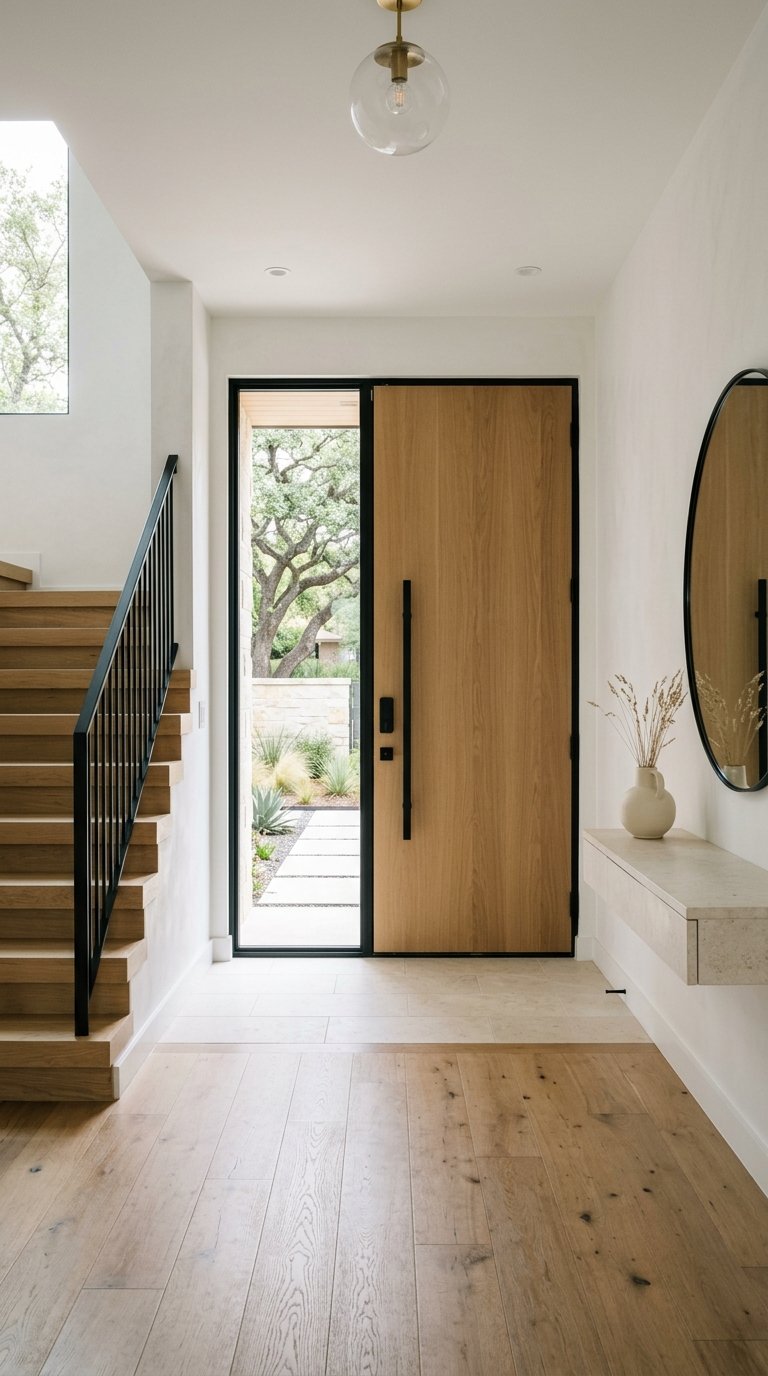
If the idea of putting your home on every real estate site right away feels too public, you are not alone. In Tarrytown, many sellers value privacy, control, and a thoughtful rollout just as much as price. The good news is that you do have options for selling more quietly, and each one comes with different benefits and trade-offs. Let’s walk through what private listing options can look like in Tarrytown and how to decide what fits your goals.
Why Privacy Matters in Tarrytown
Tarrytown has a quiet residential feel that naturally supports a more discreet approach. The City of Austin’s Central West Austin neighborhood plan describes the area as a low-through-traffic residential neighborhood with a mix of grid and cul-de-sac streets. That setting can make privacy, limited disruption, and controlled access especially important when you are preparing to sell.
Tarrytown also sits in a premium price band compared with the broader Austin market. Redfin’s Tarrytown market snapshot reported a median sale price of $1.23 million last month, while Unlock MLS’s February 2026 Central Texas housing report showed a City of Austin median residential sale price of $540,000 and a Travis County median of $489,900. When a home is in a higher price range, sellers often place even more value on privacy, scheduling control, and a measured launch.
What a Quiet Sale Can Mean
A quiet sale does not always mean the same thing. In practice, it can range from a true private listing that is never publicly marketed to a phased strategy that starts discreetly and later expands to broader exposure.
The right path depends on what matters most to you. If your priority is minimizing public attention, one option may fit best. If you want privacy at first but still want a wider audience later, a phased approach may be the better answer.
Office Exclusive Listings
An office exclusive is the closest thing to a true private listing. According to Unlock MLS rules and changes, this option is allowed when a seller refuses MLS dissemination and signs the required certification.
With an office exclusive, the listing is not shared through the MLS with other participants. The National Association of REALTORS® explains in its consumer guide to alternative listing options that sellers also sign a disclosure acknowledging they are waiving the benefits of MLS and public marketing. In return, you gain a more private path that may still allow your listing firm to connect your home with buyers through its internal network.
When an Office Exclusive Makes Sense
This path can be a strong fit if you want to avoid broad online exposure, reduce disruptions, or keep your plans confidential. It may also appeal if you want to limit photography, public open-house activity, or repeated showings.
That said, privacy comes with a cost. Because your home is not broadly exposed at the start, fewer buyers may see it. If your top goal is creating as much competition as possible, this route may not be the best first move.
Delayed Marketing and Flex Listings
If you like the idea of a quieter start but do not want to stay fully private, delayed marketing can offer a middle ground. The National Association of REALTORS® notes that a delayed marketing exempt listing is filed in the MLS, but public-facing syndication through IDX and other consumer websites is delayed for a local period, with seller disclosure required.
In Austin, Unlock MLS Flex Listings are designed for this kind of phased launch. Unlock MLS describes Flex as a way to begin with lower-profile exposure, maintain control over timing, avoid a public days-on-market clock during the early phase, and later reach the full Central Texas buyer pool.
Why a Phased Launch Appeals to Sellers
A phased launch can give you room to test timing and early pricing feedback while limiting the intensity of a full public debut. It can also be useful if you are still finishing preparations, coordinating your move, or trying to keep your schedule manageable.
For many Tarrytown sellers, this creates a practical balance. You can start with more control and then expand exposure when the home and timing are ready.
Compass Private Exclusives
For sellers working with Compass, there is also a private-network option. According to Compass’s May 2025 announcement, its Private Exclusive Book makes off-MLS listings available for viewing in Compass offices, and agents from all brokerages may be invited to browse listings on a one-to-one basis.
Compass says this option is designed in part for sellers with privacy or security concerns who want to opt out of public web exposure. That can be appealing in a neighborhood like Tarrytown, where discretion often matters just as much as convenience.
How Compass Private Exclusives Differ
This is not the same as a full public launch. Instead, it creates a more controlled environment where qualified interest can develop without putting your home everywhere online from day one.
For the right seller, that can reduce noise while still creating access to serious buyers. It can also work well as part of a broader strategy that later includes public exposure if needed.
The Main Trade-Offs to Understand
Private and semi-private listing strategies can be smart, but they are not automatically better. The biggest benefit is control. The biggest drawback is reduced visibility.
NAR’s consumer guidance makes this clear: sellers who choose office-exclusive or delayed-marketing paths are waiving some of the benefits of immediate public marketing. Broad MLS exposure is still considered important because it gives buyers and agents wider access to inventory and can support more open competition.
In practical terms, a quieter launch may reduce disruption and protect privacy, but it may also mean fewer eyes on your home at the outset. If the initial audience is too narrow, you may not generate the same level of urgency or competition that a wider launch could create.
How This Plays Out in Tarrytown
In a premium market like Tarrytown, strategy matters. Redfin’s neighborhood data shows homes taking 66 days on market on average, with homes selling about 4.7% below list price in its latest snapshot. A separate Rocket Homes and Redfin report cited in the research also showed many homes selling below asking, which reinforces the need for careful pricing and property-specific analysis.
That is why quiet selling should never mean casual selling. If you choose a private or phased path, the pricing, preparation, and buyer targeting still need to be sharp. In many cases, the best decision comes down to this simple question: do you value privacy more than maximum early exposure?
Questions to Ask Before Choosing a Private Listing Path
Before you decide how quietly to sell, it helps to weigh a few practical questions:
- Do you want to avoid broad public web exposure?
- Is your schedule too busy for frequent showings?
- Are privacy or security top concerns?
- Do you want to test the waters before launching publicly?
- Is your main goal convenience and control, or maximum buyer competition?
Your answers can point you toward an office exclusive, a phased Flex-style launch, a Compass Private Exclusive, or a traditional public listing.
Compliance Still Matters
Even when a sale is quiet, the rules still matter. Unlock MLS requires seller certification for office exclusives. NAR also states that delayed-marketing listings require a signed disclosure explaining the trade-off involved.
One rule is especially important: if a property is publicly marketed, Unlock MLS says it becomes subject to the one-business-day filing rule. That means private listing strategies need to be handled carefully and correctly from the start.
Choosing the Right Strategy for Your Goals
There is no one-size-fits-all answer. A private listing can be the right move if your top priorities are discretion, timing control, and minimizing disruption. A phased strategy may be ideal if you want a quieter start with the option to broaden exposure later.
If your main objective is to reach the largest possible buyer pool right away and create the strongest chance for multiple offers, a traditional public launch may still be the better fit. In Tarrytown, where pricing, presentation, and buyer psychology all matter, the best plan is the one built around your priorities rather than a one-word label like “private” or “public.”
If you are considering a quiet sale in Tarrytown, working with an advisor who understands both the neighborhood and the available listing paths can make the decision much clearer. Eric Grosskopf offers discreet, strategic guidance for sellers who want to balance privacy, preparation, and market exposure with confidence.
FAQs
What is a private listing option for selling a home in Tarrytown?
- A private listing option usually means your home is not immediately marketed on public real estate websites. In Austin, that can include an office exclusive, a delayed-marketing or Flex-style launch, or a Compass Private Exclusive.
Can you sell quietly in Tarrytown without staying off-market the entire time?
- Yes. A phased strategy such as a delayed-marketing or Flex listing can start more quietly and later move into broader public exposure.
Will buyers still find a Tarrytown home if it is sold privately?
- Potentially, yes. NAR says office exclusives may still reach buyers through the listing firm, Compass says its Private Exclusives can be viewed in offices by agents from all brokerages on a one-to-one basis, and Flex is designed to later reach the full Central Texas buyer pool.
What are the downsides of a private home sale in Tarrytown?
- The biggest downside is reduced exposure. With fewer buyers seeing the home early on, you may have less competition than you would with immediate public marketing.
What paperwork is required for private listing options in Austin?
- Unlock MLS requires seller certification for office exclusives, and NAR says delayed-marketing listings require signed disclosure acknowledging the waiver of immediate public marketing benefits.
Is a quiet sale always the best strategy for a Tarrytown seller?
- No. A quiet sale can be helpful when privacy and control matter most, but it is not always ideal if your top goal is maximizing exposure and buyer competition.