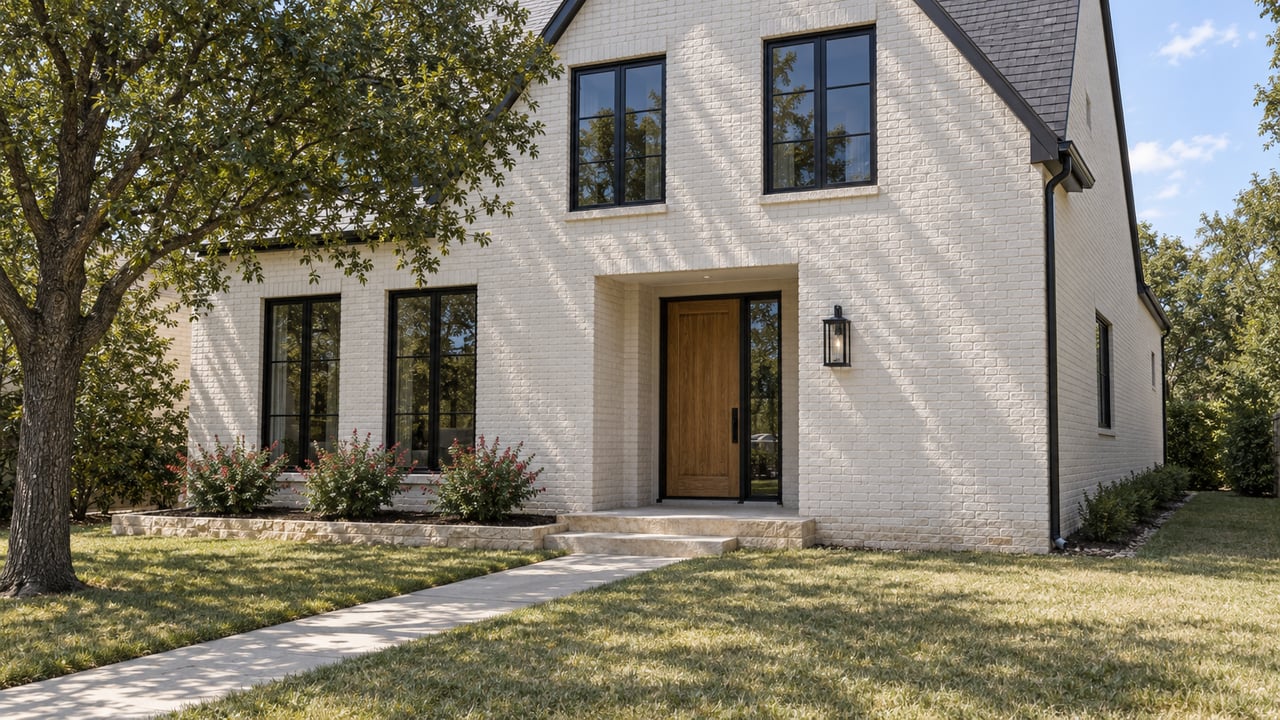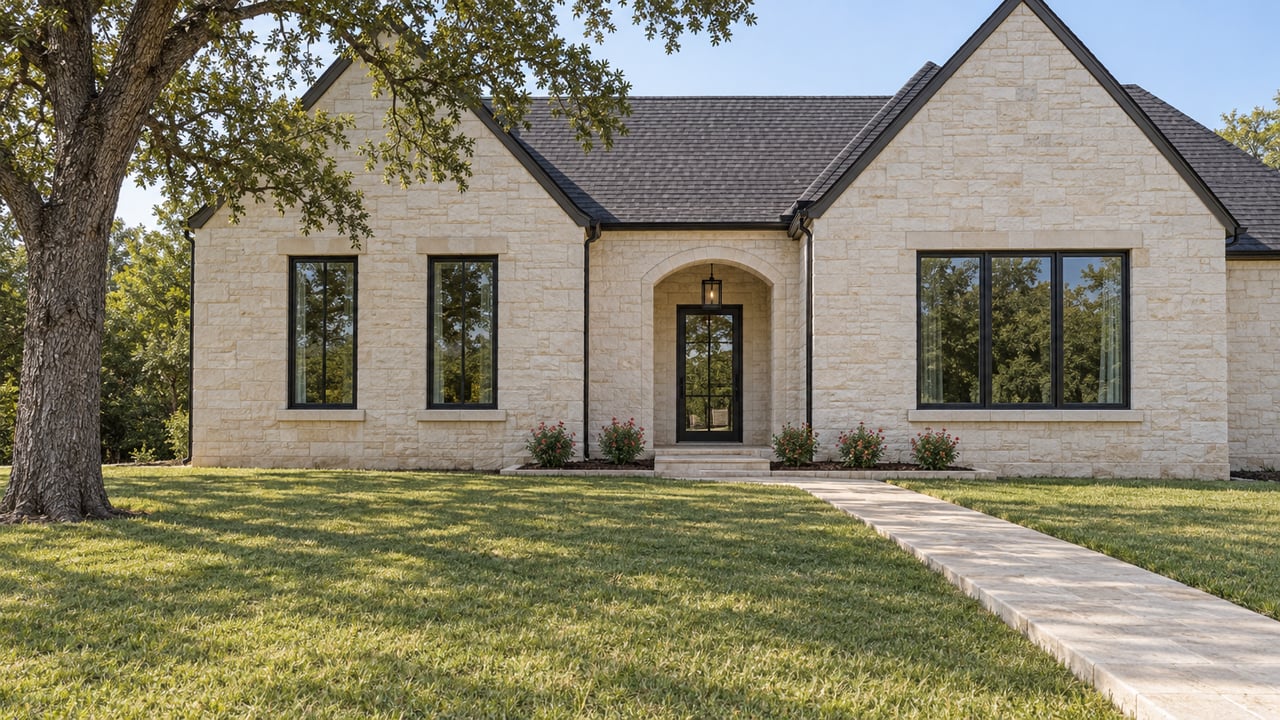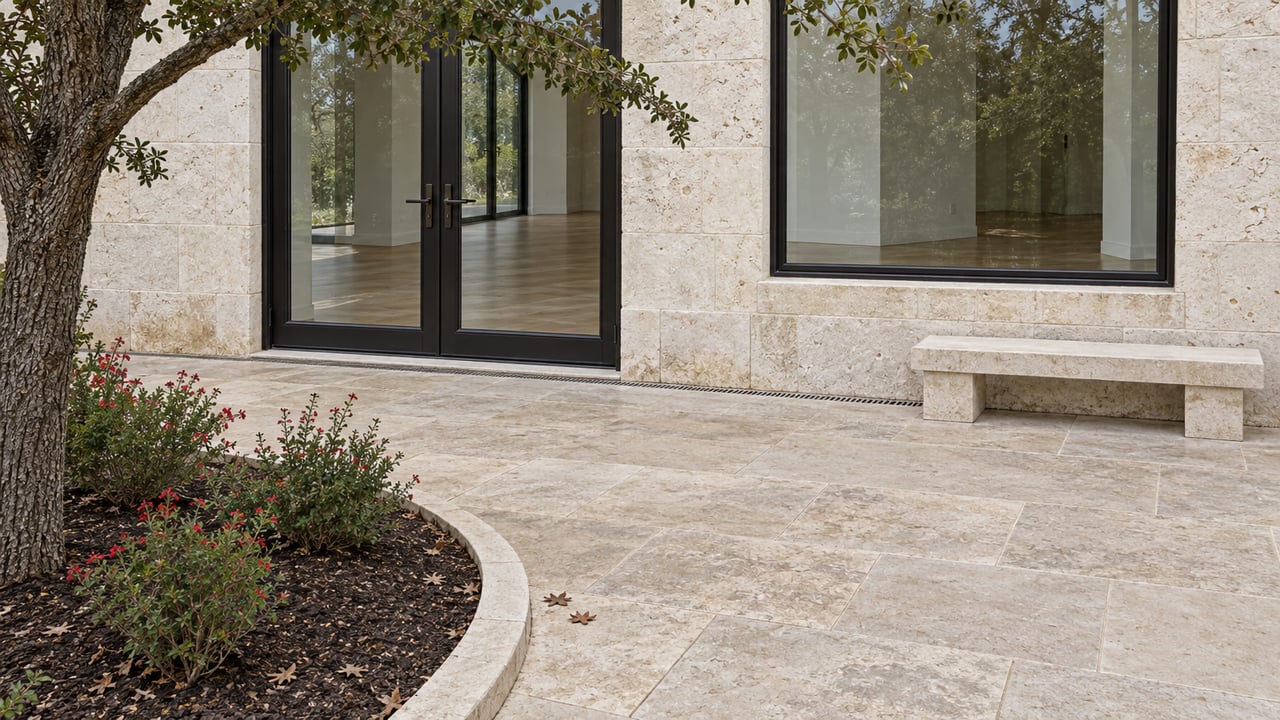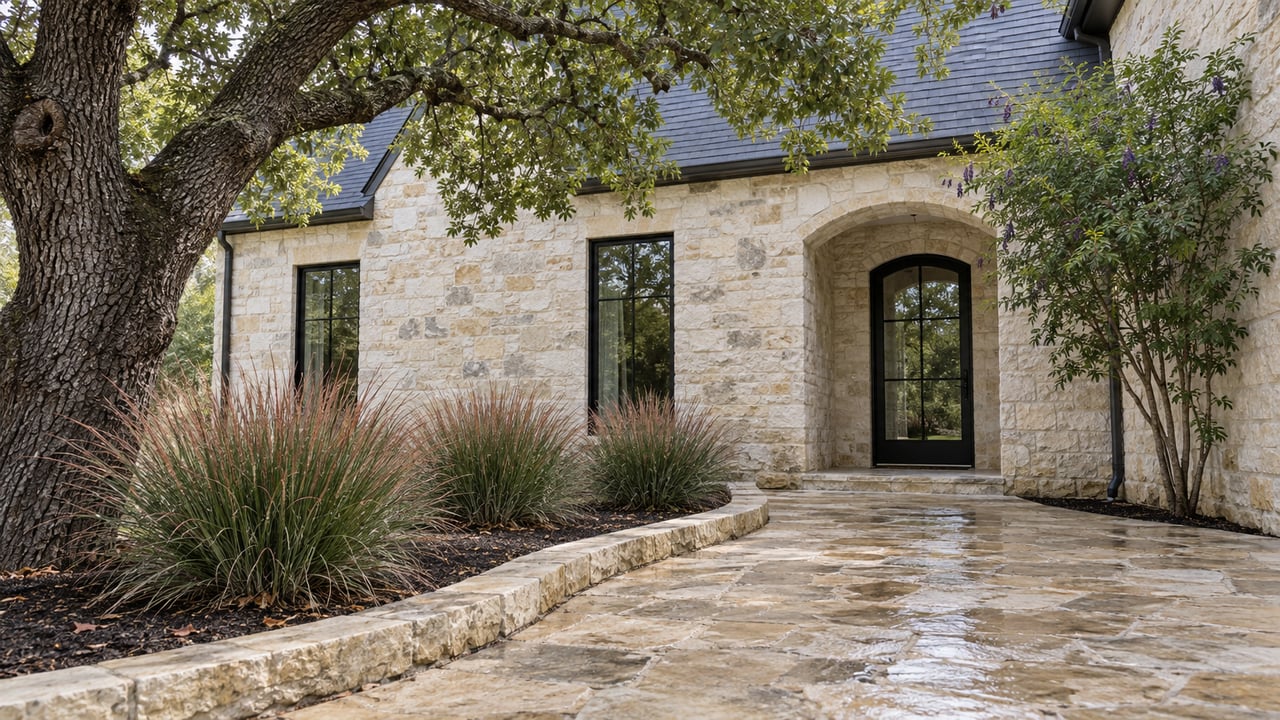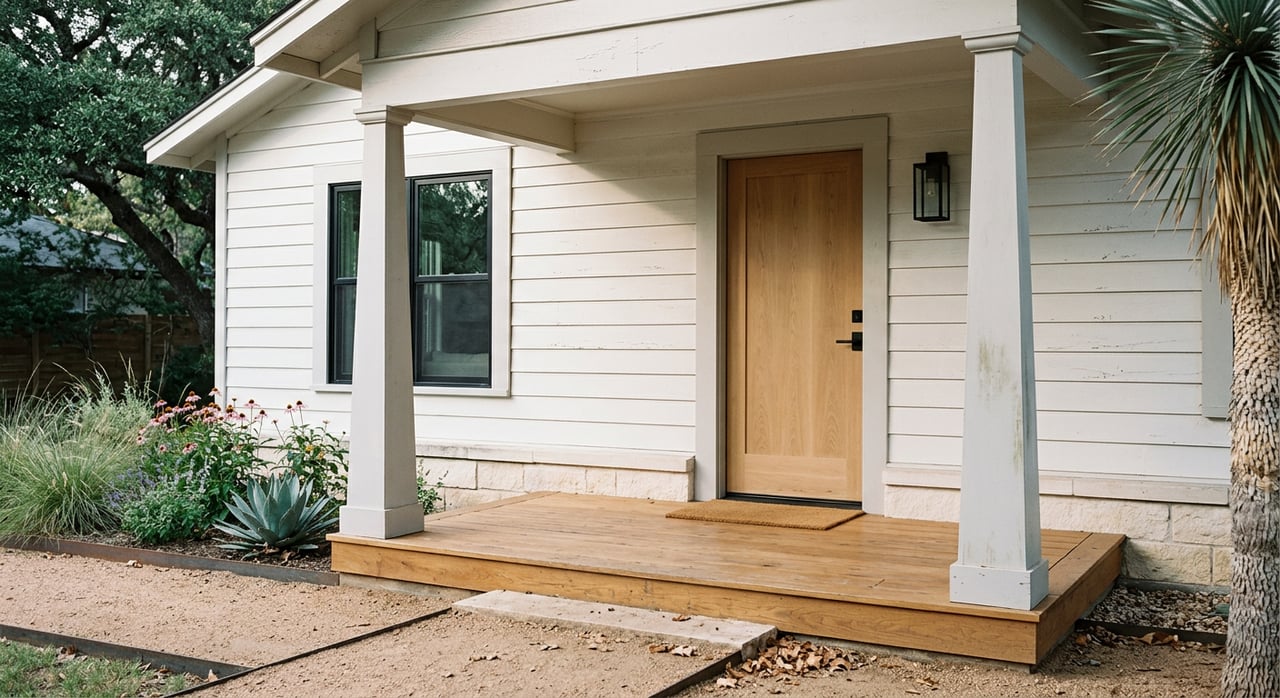
Torn between the charm of a Travis Heights bungalow and the ease of a modern new build? You are not alone. Both options shine in 78704, but they deliver very different living experiences, costs, and timelines. This guide gives you a clear, local framework to compare design, ownership costs, permits, energy incentives, financing, and resale so you can choose with confidence. Let’s dive in.
Travis Heights at a glance
Travis Heights sits just south of Lady Bird Lake with a canopy of mature oaks, winding streets, and quick access to SoCo. Large portions of the neighborhood are documented in the Travis Heights–Fairview Park historic district, with many early 20th century Craftsman bungalows contributing to its character. The National Register nomination details common features and materials you will still see today, from wide porches to wood-sash windows and pier-and-beam foundations. You can explore those historic patterns in the official nomination documents for useful context on period details and scale (Travis Heights–Fairview Park National Register nomination).
Market reality in 78704
Public aggregator snapshots often show different median values for 78704 because they capture different mixes of bungalows, teardowns, condos, and high-end new builds at different times. The practical takeaway is simple: price per square foot varies widely between a small historic bungalow and a large new home. If you are actively comparing addresses, re-pull MLS/ACTRIS comps on the day you write an offer and account for condition, lot constraints, and renovation quality.
What you get: bungalow vs new build
Classic bungalow: benefits and constraints
A typical Travis Heights bungalow offers single-level living, a welcoming front porch, period trim, and an intimate scale. Interiors often run about 1,000 to 1,800 square feet with original windows and floors that many buyers value for character. Common limitations include smaller kitchens and baths, fewer closets, and limited or no garage. The historic district documents these forms and materials, which helps you anticipate what “feels right” on the block (historic nomination reference).
New build: benefits and tradeoffs
New construction in and near Travis Heights typically delivers open plans, modern systems, large kitchens and baths, taller ceilings, and integrated garages. Many projects maximize the lot with second stories and sometimes add a detached ADU. City policy has also shifted the playing field. Austin’s HOME amendments allow up to three units on many single-family lots and expand small-lot options, which increases infill potential in inner neighborhoods (City of Austin HOME amendments). Tradeoffs include a higher tax base, less mature shade at move-in, and potential compatibility concerns if the home’s scale diverges from nearby houses.
Lot, zoning, and permits that shape your plan
Historic reviews and additions
If a property is identified as a contributing resource within the documented historic area, demolition and some exterior changes may be reviewed. While National Register status is largely honorific at the federal level, local reviews can affect design, materials, and timelines. Expect additional documentation, public records of major proposals, and potential conditions on additions if you pursue a large remodel or teardown (district context).
Tree protection is real
Austin protects large trees and heritage specimens. On many Travis Heights lots, a single mature oak can dictate where you place an addition, driveway, or ADU. Tree permits, protection fencing, and mitigation can add time and cost to your plan, so factor that in early (City of Austin tree rules).
Floodplain checks
Parts of Travis Heights sit near Lady Bird Lake and Blunn Creek. Flood designation varies by block and can influence insurance requirements, foundation design, and permitting. Before you commit to a renovation scope or a new build, check the City of Austin floodplain map viewer and the FEMA Map Service Center for your parcel’s status and base flood elevation.
Ownership costs to budget
Likely near-term fixes in older homes
Early century homes often need system updates. Expect potential electrical upgrades, HVAC replacements, roof work, plumbing repipes, and pier-and-beam leveling. Industry references on component life expectancy can help you flag what is due within the first few years, which is useful for offer strategy and insurance planning (NAHB component lifespans).
Insurance and inspections
Insurers commonly scrutinize older wiring, aged roofs, and old plumbing. Older homes may require targeted or 4-point style inspections focusing on roof, electrical, plumbing, and HVAC before binding or pricing coverage. New builds with modern systems usually present fewer underwriting flags.
Renovation ROI priorities
If you are renovating a bungalow, prioritize projects that balance function with curb appeal. Industry Cost vs Value data shows exterior upgrades like doors, siding, and decks often deliver higher resale recovery than major structural changes. Whole-house remodels can be worth it for long-term use, but they are harder to fully recoup at resale, so match scope to your time horizon (Cost vs Value benchmark).
Lead safety in pre-1978 homes
If you plan to disturb painted surfaces in a pre-1978 bungalow, lead-safe work practices apply. Make sure your contractor follows EPA Renovation, Repair, and Painting (RRP) rules to protect occupants and keep your project compliant (EPA RRP program).
Energy upgrades and incentives
Austin Energy’s Home Energy Savings programs can reduce the net cost of improvements like heat pump HVAC, duct sealing, attic insulation, and heat pump water heaters. If you buy an older home, these rebates and loan options can meaningfully improve comfort and monthly bills. Explore current offerings and contractor pathways before you finalize your scope (Austin Energy programs).
If you are considering solar or battery storage, the federal Residential Clean Energy Credit is an important factor. As currently published, systems placed in service through December 31, 2025, may be eligible for a 30 percent credit, but you should review the IRS page for the latest guidance and consult a tax professional for personal eligibility (IRS Residential Clean Energy Credit).
Financing if you renovate
If you love a bungalow but need funds for upgrades, renovation mortgages can bundle purchase and improvements into a single loan. Two common paths:
- FHA 203(k). Combines acquisition plus eligible rehab and can cover structural and non-cosmetic work, subject to program rules (FHA 203(k) overview).
- Fannie Mae HomeStyle Renovation. A conventional option that finances purchase plus renovations under Fannie guidelines (HomeStyle Renovation FAQs).
Each product has specific appraisal, draw, and contractor requirements, so check availability with local lenders and confirm Travis County loan limits.
Resale positioning in Travis Heights
Bungalows tend to attract buyers who value historic character, mature landscaping, and single-level living, though limited square footage can cap pricing unless expansions respect neighborhood scale. New builds often command higher list prices per square foot with contemporary layouts and energy-efficient systems. In 78704, both product types trade well. The premium depends on the street, lot, views, and proximity to amenities, and on how well your home aligns with neighborhood rhythm. Re-check MLS comps at offer or listing time because pricing shifts with inventory mix and seasonality.
A quick decision checklist
Use these prompts to calibrate your choice and your budget:
- Time horizon. Are you planning 3 to 5 years or 10+ years in the home? Longer horizons better absorb deeper renovation or new-build costs.
- Budget buffer. Add a 10 to 25 percent contingency to any renovation estimate. Older homes often reveal hidden conditions. Cross-check big-ticket items against component lifespans for realism.
- Systems risk. Did the inspector flag electrical, plumbing, HVAC, or roof issues? Plan for required upgrades that insurers or permits may demand.
- Regulatory friction. Is the home a documented contributing resource, near protected trees, or within a floodplain? Build in review time and design flexibility.
- Energy and incentives. Will Austin Energy rebates or a federal credit improve the payback on heat pumps, insulation, or solar? Verify programs before finalizing scope.
- Financing pathway. If you need purchase-plus-renovation financing, compare FHA 203(k) and Fannie Mae HomeStyle with local lenders.
- Resale story. Will you preserve a bungalow’s footprint and details for a restored-living buyer, or push toward a modern program that targets a different audience? Align choices with that story.
Which is right for you?
Choose a Travis Heights bungalow if you value character, mature shade, and a walkable street rhythm, and you are comfortable investing in systems and thoughtful updates over time. Choose a new build if you want turn-key modern function, larger spaces, energy-efficient systems, and fewer near-term maintenance surprises. Many buyers land in the middle by modernizing a bungalow within its historic language or by selecting a new build that respects the block’s scale. The best choice is the one that fits your time horizon, budget, constraints on the lot, and the resale story you want to tell later.
Ready to compare specific addresses and run real numbers on scope, permits, and resale? Schedule a private consultation with Eric Grosskopf for discreet, data-backed guidance tailored to your goals.
FAQs
What defines a Travis Heights bungalow and why does it matter?
- Many homes are early 20th century Craftsman or Craftsman-influenced with porches, wood-sash windows, and pier-and-beam foundations, which affects comfort, maintenance, and how additions should scale to the block (historic nomination).
Are there special permits for remodeling in the Travis Heights historic area?
- If a property is a documented contributing resource, demolition and some exterior changes may be reviewed, which can add documentation and conditions to your plan; plan extra time for approvals (district context).
How do Austin’s HOME amendments affect a Travis Heights lot?
- Many single-family lots can now permit up to three units and more small-lot options, which increases infill potential and can change development and resale math (HOME amendments overview).
What near-term costs should I expect with an older bungalow?
- Electrical upgrades, HVAC replacement, roof work, plumbing repipes, and pier-and-beam adjustments are common; check component life-expectancy references to estimate timing (lifespan guide).
What energy incentives apply to upgrades in older homes?
- Austin Energy offers rebates and loan options for items like heat pumps, duct sealing, and insulation, which can lower total project cost and monthly bills (Austin Energy programs).
Can I finance purchase plus renovation in one loan?
- Yes. FHA 203(k) and Fannie Mae HomeStyle can combine acquisition and eligible renovations under program rules; confirm local lender availability and loan limits (FHA 203(k), HomeStyle).
Do I need to worry about lead paint in older Travis Heights homes?
- For pre-1978 homes, use lead-safe practices and contractors who follow EPA RRP rules when disturbing painted surfaces to stay compliant and protect occupants (EPA RRP).